
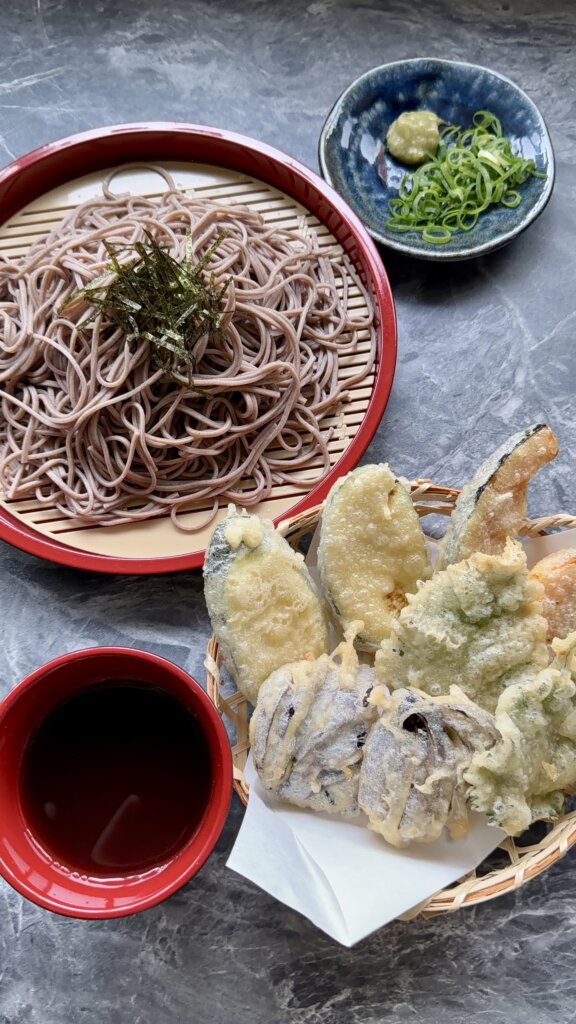
Soba with Tempura Is a Classic Japanese Summer Meal
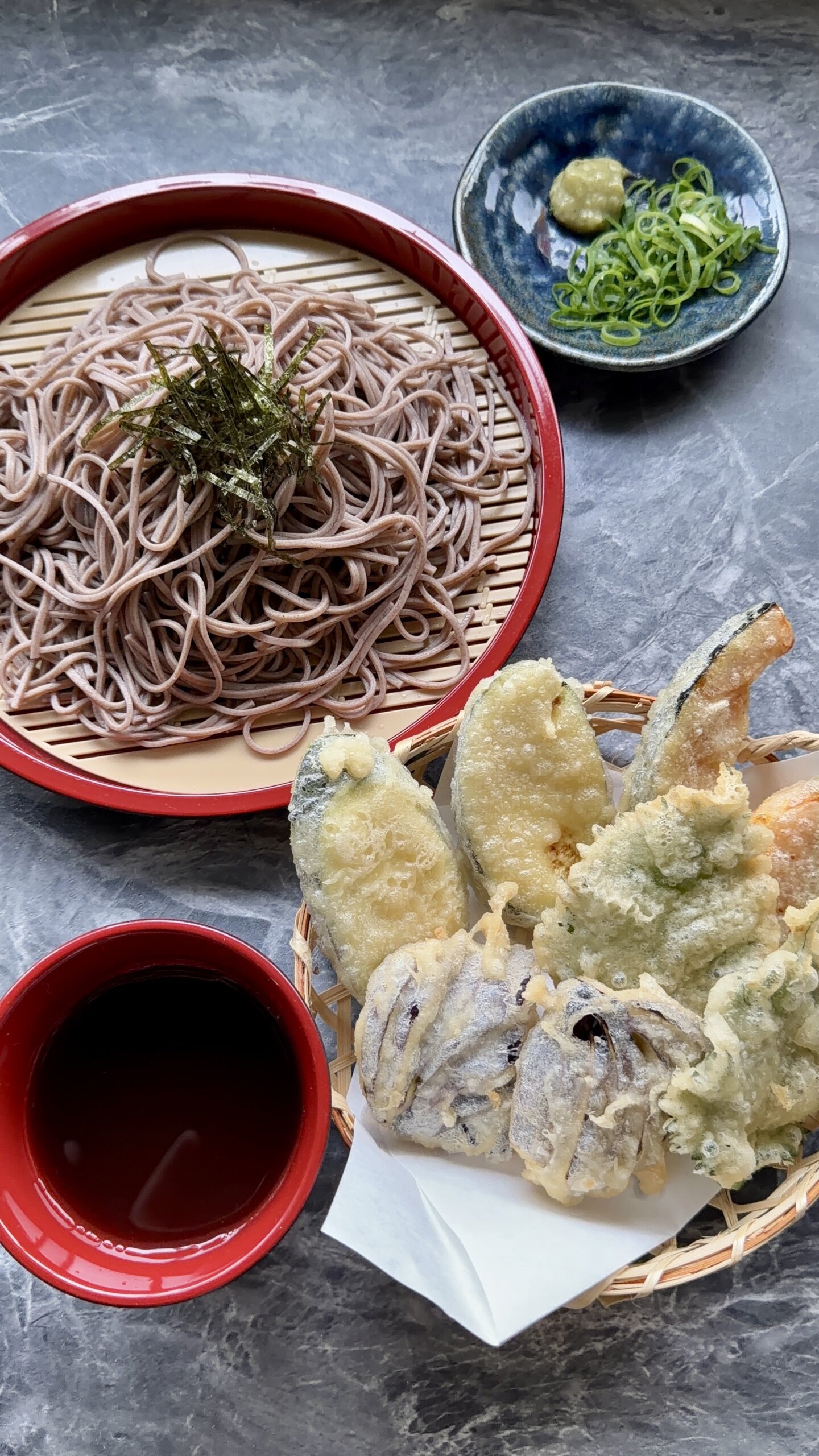
Soba with tempura is one of the most beloved summer meals in Japan. The combination of cold soba noodles, crispy vegetable tempura with the best tempura batter, and flavorful tsuyu sauce is simple, refreshing, and satisfying at the same time. Whether served at specialty soba restaurants or at home, soba tempura is considered a classic seasonal comfort food.
When I started making tempura at home, I assumed I needed special ingredients to make it crispy. I experimented with potato starch and even baking powder, both of which are commonly used to create a lighter, crunchier coating. What surprised me most was discovering that adding a small amount of oil directly into the batter made an incredible difference. The oil helps create a crispier coating by limiting excess moisture absorption, resulting in tempura that stays light and crunchy with only four simple batter ingredients.
This vegetable tempura recipe uses only cake flour, water, oil, and salt, yet the result is wonderfully crispy and light. If you’ve been intimidated by making tempura before, this soba recipe is a great place to start.
What Is Zaru Soba?
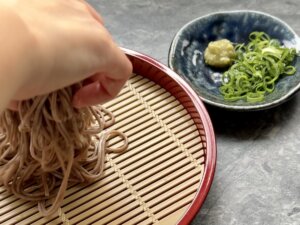
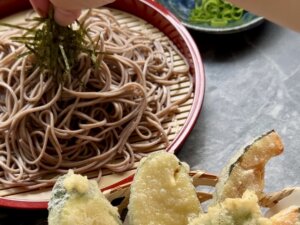
Zaru soba is a traditional Japanese dish made with chilled soba noodles served alongside a dipping sauce called tsuyu sauce. The word “zaru” means “strainer” or “bamboo draining basket.” Traditionally, the cold soba noodles are served on a bamboo tray that allows excess moisture to drain away while keeping the noodles cool.
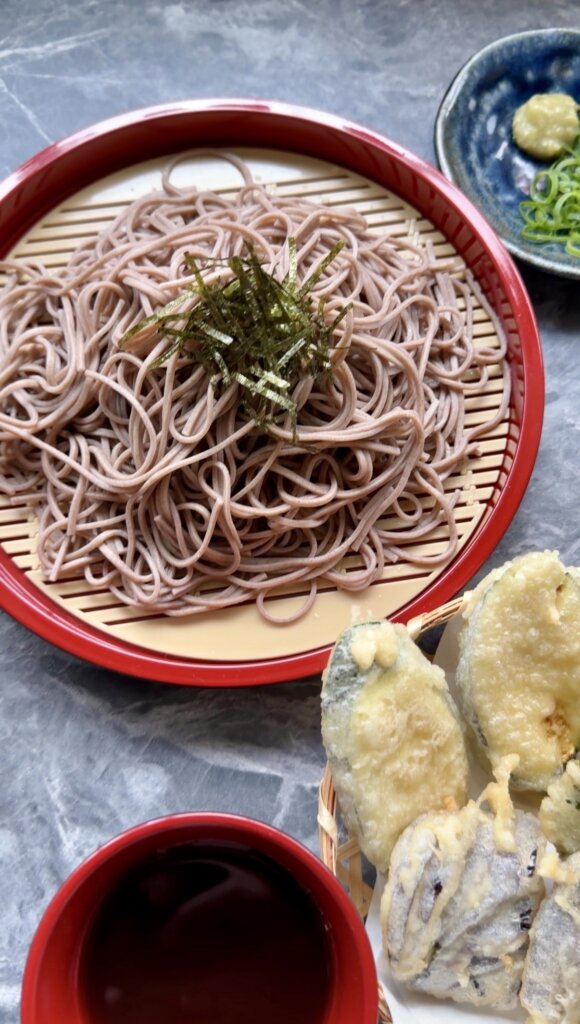
Today, zaru soba is one of the most popular ways to enjoy cold soba in Japan, especially during hot weather. The noodles are usually topped with shredded nori and served with green onions, wasabi, and soba sauce for dipping.
Homemade Tsuyu Sauce Makes a Difference
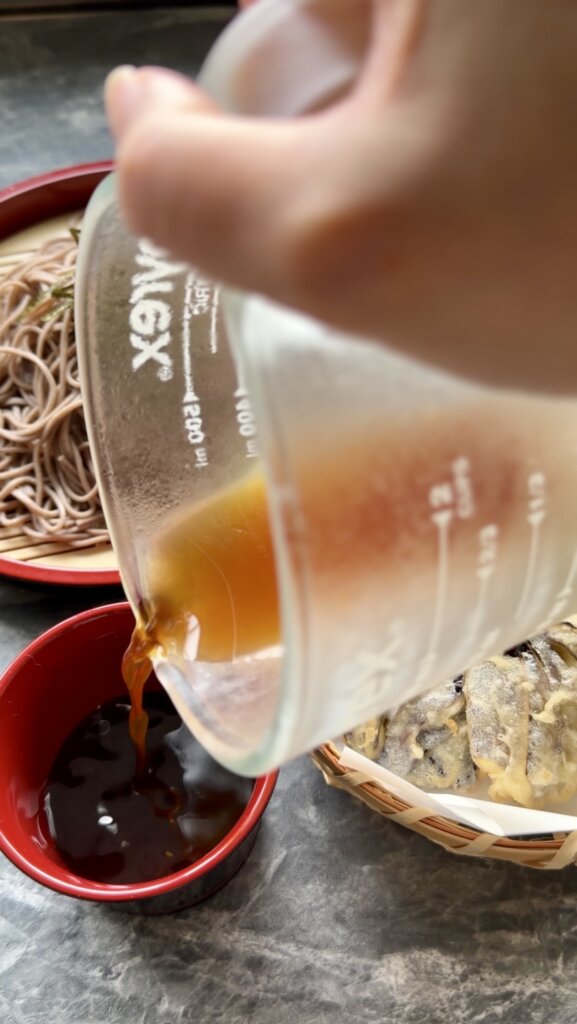
One of the best parts of this cold soba recipe is the homemade tsuyu sauce. It comes together in just a minute using the microwave, yet it delivers the savory, umami-rich flavor you would expect from a restaurant-style soba sauce.
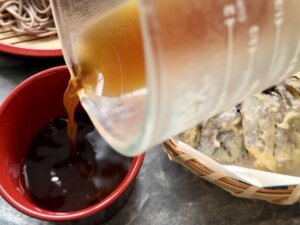
The sauce is prepared as a concentrated base. Before serving, simply add cold water to dilute it to your preferred strength. This allows you to customize the flavor exactly how you like it.
8 Tips for Extra Crispy Tempura
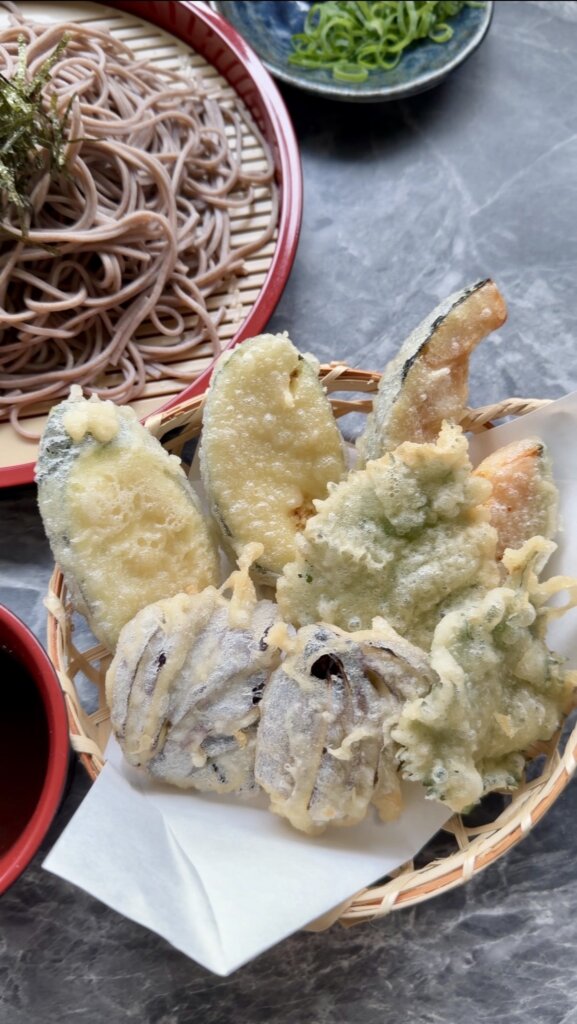
1. Add Oil to the Batter
Adding a small amount of oil to the batter can make a noticeable difference. The oil helps coat some of the flour particles, making it harder for excess moisture to penetrate the coating. As the tempura fries, moisture escapes more efficiently, creating a lighter and crispier texture without any special ingredients.
2. Use Cake Flour If You Have It
All-purpose flour works, but cake flour contains less protein, which helps create a lighter, crispier coating. If you have cake flour on hand, it is the better choice for tempura.
3. Dust the Vegetables with Flour
After patting the vegetables dry, lightly coat them with flour. This helps absorb surface moisture and allows the batter to adhere more evenly, resulting in a crispier finish.
4. Fry at 350°F (180°C)
The correct oil temperature is essential. To test it, drop a little batter into the oil. It should sink briefly to the bottom and then immediately float back up. This indicates the oil is around 350°F (180°C), the ideal temperature for tempura.
5. Don’t overcrowd the pot.
Too many pieces at once will lower the oil temperature and affect the texture. Fry in batches and keep the pot no more than about 70% full.
6. Use a Neutral Oil
Avoid extra virgin olive oil or other strongly flavored oils. They have lower smoke points and can overpower the delicate flavor of the tempura. Refined neutral oils such as canola, vegetable, or avocado oil work best.
7. Make the Batter Right Before Frying
Do not prepare the batter too far in advance. Mix it immediately before frying to keep the batter at its best texture and help maintain a light, crispy coating.
8. Don’t Overmix the Batter
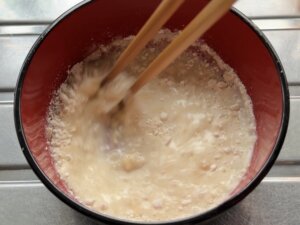
A few lumps are completely fine. Overmixing can negatively affect the texture, so stir only until the ingredients are combined.
Ingredients
Soba & Toppings
Dried soba noodles: 1 bundle
Shredded nori: 1 tbsp
Chopped green onion: 1 tbsp
Wasabi: 1/2 tsp
Tempura
Kabocha: 2 slices
Zucchini: 2 slices
Eggplant: 2 small bite-size pieces
Shiso leaves: 2
Cake flour (for dusting): as needed
Tempura Batter
Cake flour: 5 tbsp
Cold water: 5 tbsp
Salt: 1/2 tsp
Oil (for batter): 1 tbsp
Oil (for frying): enough to cover about 1 inch in the pot
Tsuyu Sauce
Soy sauce: 2 tbsp
Sake: 2 tbsp
Mirin: 2 tbsp
Sugar: 1 tsp
Dashi powder: 1 tsp
Cold water: 3/4 cup
Instructions
- In a heatproof bowl, combine soy sauce, sake, mirin, sugar, and dashi powder. Microwave for about 1 minute, stir well, and chill in the refrigerator.
- Prepare the vegetables. Make decorative radial cuts on the eggplant pieces and gently press them open. Remove the stems from the shiso leaves. Pat all vegetables dry and lightly dust them with cake flour.
- Heat the frying oil to 350°F (180°C). Drop a little batter into the oil. It should sink briefly to the bottom and then immediately float back up.
- Just before frying, combine cold water, oil, and salt in a bowl. Add the cake flour and stir gently until combined. A few lumps are perfectly fine.
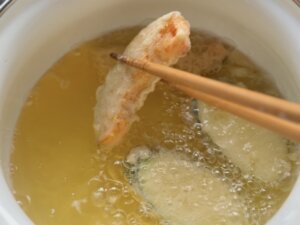
- Dip the vegetables into the batter and fry until lightly golden and crispy. Transfer to a wire rack.
- Cook the soba noodles according to the package instructions. Rinse thoroughly under cold running water and drain well.
- Add the cold water to the chilled tsuyu sauce and stir to combine.
- Arrange the cold soba noodles on a plate and top with shredded nori. Serve with the vegetable tempura, green onions, wasabi, and tsuyu sauce on the side. Dip and enjoy.
Ingredients
Method
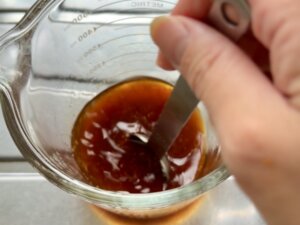
- In a heatproof bowl, combine soy sauce, sake, mirin, sugar, and dashi powder. Microwave for about 1 minute, stir well, and chill in the refrigerator.
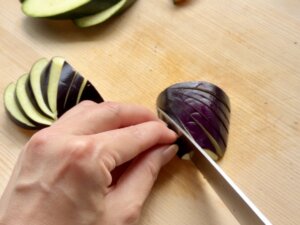
- Prepare the vegetables. Make decorative radial cuts on the eggplant pieces and gently press them open. Remove the stems from the shiso leaves. Pat all vegetables dry and lightly dust them with cake flour.
- Heat the frying oil to 350°F (180°C). Drop a little batter into the oil. It should sink briefly to the bottom and then immediately float back up.
- Just before frying, combine cold water, oil, and salt in a bowl. Add the cake flour and stir gently until combined. A few lumps are perfectly fine.
- Dip the vegetables into the batter and fry until lightly golden and crispy. Transfer to a wire rack.
- Cook the soba noodles according to the package instructions. Rinse thoroughly under cold running water and drain well.
- Add the cold water to the chilled tsuyu sauce and stir to combine.
- Arrange the cold soba noodles on a plate and top with shredded nori. Serve with the vegetable tempura, green onions, wasabi, and tsuyu sauce on the side. Dip and enjoy.
Leave a Reply