
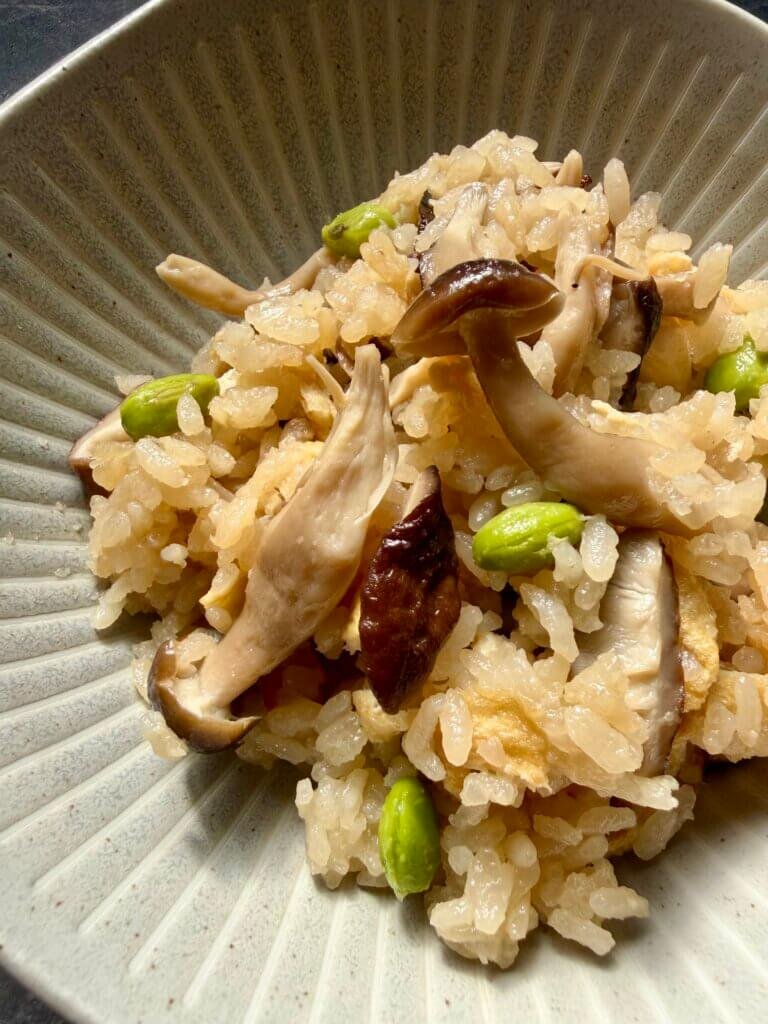
Authentic Japanese Mushroom Rice (Kinoko Gohan)
When autumn rolls around in Japan, standard home kitchens fill with the irresistible, earthy aroma of freshly cooked mixed rice. Known locally as Kinoko Gohan (きのこご飯), Japanese Mushroom Rice is a beloved staple of traditional home cooking (washoku). It uniquely combines soft, short-grain Japanese rice, an assortment of aromatic mushrooms, savory fried tofu (aburaage), and a subtle umami-infused dashi broth.
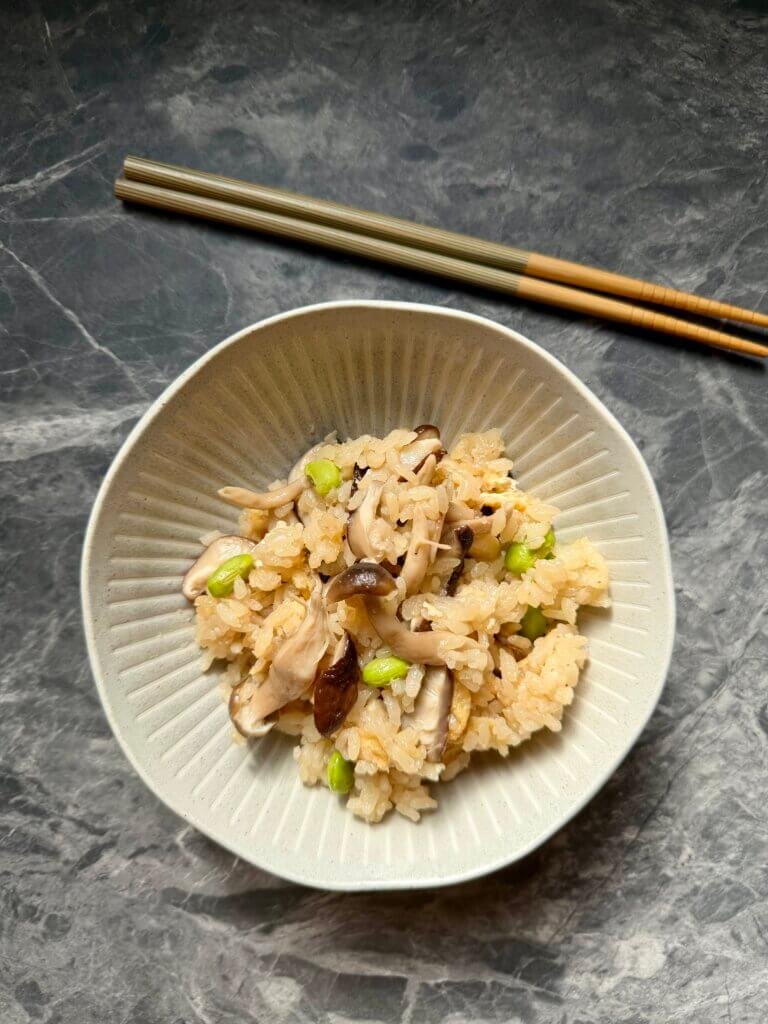
Unlike many Western rice dishes that rely on heavy butter or creamy sauces, Kinoko Gohan highlights the natural sweetness and savory depth of its ingredients. Every grain of rice absorbs the rich dashi broth, complemented by bright notes of fresh ginger and crisp pops of edamame. Best of all, this recipe is effortless: your trusty rice cooker does nearly all the heavy lifting! Whether you are hosting a Japanese-themed dinner party or looking for a comforting, meal-prep-friendly side dish for busy weeknights, this guide will walk you through everything you need to know to make perfect Japanese mushroom rice every single time.
Why You’ll Love This Recipe
Effortless One-Pot Meal: With minimal prep work, your rice cooker handles the entire cooking process. Simply chop, measure, layer, and press start.
Packed with Savory Umami: By layering rich dashi broth with savory Japanese mushrooms and seasoned fried tofu, each bite delivers a deeply satisfying blend of flavors.
Naturally Health-Conscious: Low in calorie density yet high in dietary fiber, plant-based proteins, and vital nutrients, this dish offers pure comfort without feeling heavy.
Highly Versatile Side or Main: Enjoy it as a light main dish alongside a warm bowl of miso soup, or serve it as a fragrant side dish next to grilled salmon, chicken teriyaki, or pan-fried tofu.
Meal-Prep & Freezer Friendly: Kinoko Gohan retains its fluffy texture and rich taste exceptionally well, making it ideal for weekday bento boxes or advance freezer prep.
Key Ingredients & Easy Substitutions
To achieve an authentic taste, using traditional Japanese ingredients is ideal, but flexibility is key! Here is a detailed breakdown of the core ingredients along with accessible grocery store substitutes:
1. The Mushroom Mix
Using a combination of different mushroom varieties creates a wonderful interplay of textures, aromas, and flavors.
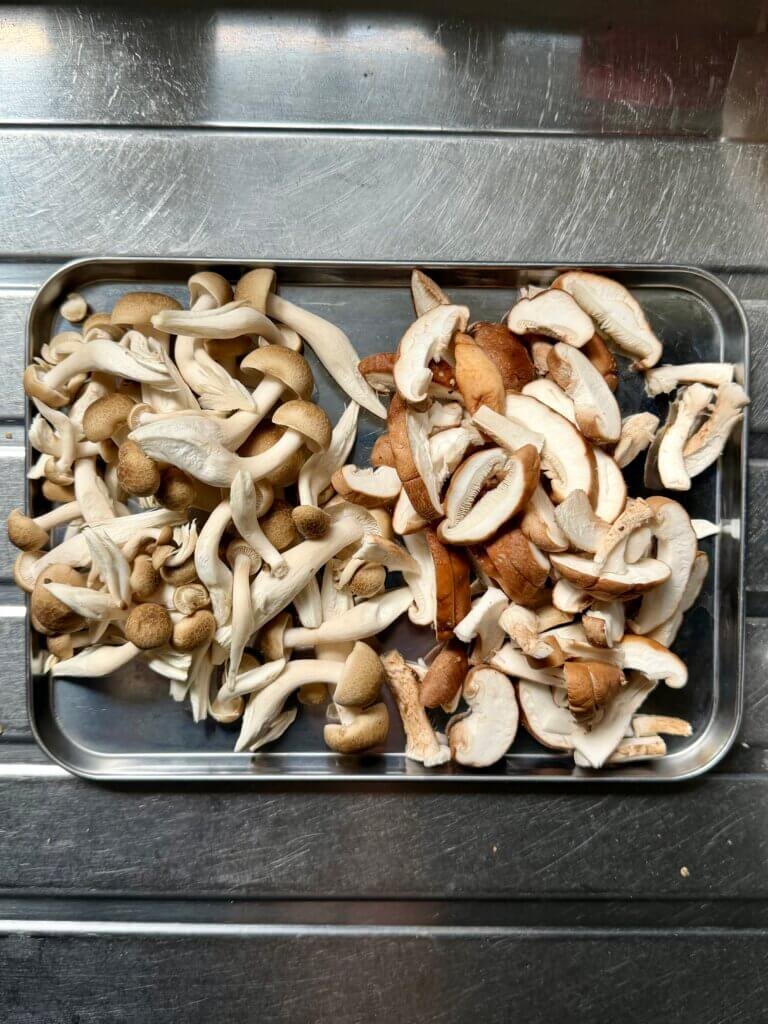
Shimeji Mushrooms (Beech Mushrooms): These offer a light, nutty flavor and a pleasingly firm bite. Cut off the cluster base and separate them gently by hand.
Shiitake Mushrooms: Known for their deep, buttery umami and chewy texture. Twist off the stems, trim any woody ends, and thinly slice both stems and caps.
Substitutes: If Asian grocery stores aren’t nearby, feel free to substitute or combine with King Oyster mushrooms or standard Western Cremini (Baby Bella) and white button mushrooms.
2. The Rice Base
Japanese Short-Grain White Rice: Standard sushi rice or Japanese short-grain rice (such as Koshihikari) is essential. Its high starch content gives the dish its signature clingy, fluffy texture.
Substitutes: Medium-grain white rice works as a decent secondary option. Long-grain varieties like Jasmine or Basmati are not recommended, as they remain too dry and loose.
3. Add-Ins for Texture and Color
Aburaage (Deep-Fried Tofu Pouches): These delicate golden pouches soak up the broth like sponges, releasing bursts of flavor as you eat. Pour boiling water over them first to remove surplus surface oil before slicing.
Edamame: Frozen, shelled edamame adds a bright green pop of color and a delightful crunch.
Julienned Ginger: Freshly slivered ginger balances the rich mushroom earthy tones with a clean, fragrant kick.
Substitutes: You can substitute fried tofu with thin slices of chicken thigh or aburaage with baked tofu cubes. For greens, chopped snow peas or toasted sesame seeds make great garnishes.
4. Seasonings & Broth
Dashi Powder: Japanese soup stock base made from kombu kelp and skipjack tuna flakes. Instant dashi powder (like Hon-dashi) creates an instant umami foundation.
Sake & Mirin: Japanese cooking rice wine adds warmth and sweetness while balancing saltiness.
Soy Sauce & Salt: Traditional Japanese soy sauce provides deep color and rich taste, complemented by fine sea salt.
Substitutes: To make a vegan/vegetarian version, simply use kombu dashi (kelp-based stock powder) or vegetable broth. Glufen-free tamari can easily replace standard soy sauce.
Pro Tips for the Best Results
1. Rinse and Drain the Rice Thoroughly: Swirl your uncooked short-grain rice in cold water, rinsing 3 to 4 times until the water runs mostly clear. Let the rinsed rice drain in a mesh colander for 10–15 minutes. Removing excess surface starch prevents the finished rice from turning gummy.
2. Dissolve Seasonings in Water First: Always add your water, dashi powder, sake, mirin, soy sauce, and salt directly over the rinsed rice before adding the toppings. Stir gently so the liquid seasonings dissolve evenly.
3. Do Not Mix the Topping Layers Before Cooking: Layer your chopped mushrooms, fried tofu, and edamame evenly on top of the liquid. Do not stir them into the uncooked rice. Keeping ingredients on top ensures the rice cooks evenly against the heating element without scorching or absorbing liquid unevenly.
4. Don’t Panic Over Mushroom Volume: Raw mushrooms will completely cover the top of your inner pot and may look like too much. Keep in mind that mushrooms consist mostly of water; they will shrink drastically within minutes of steaming!
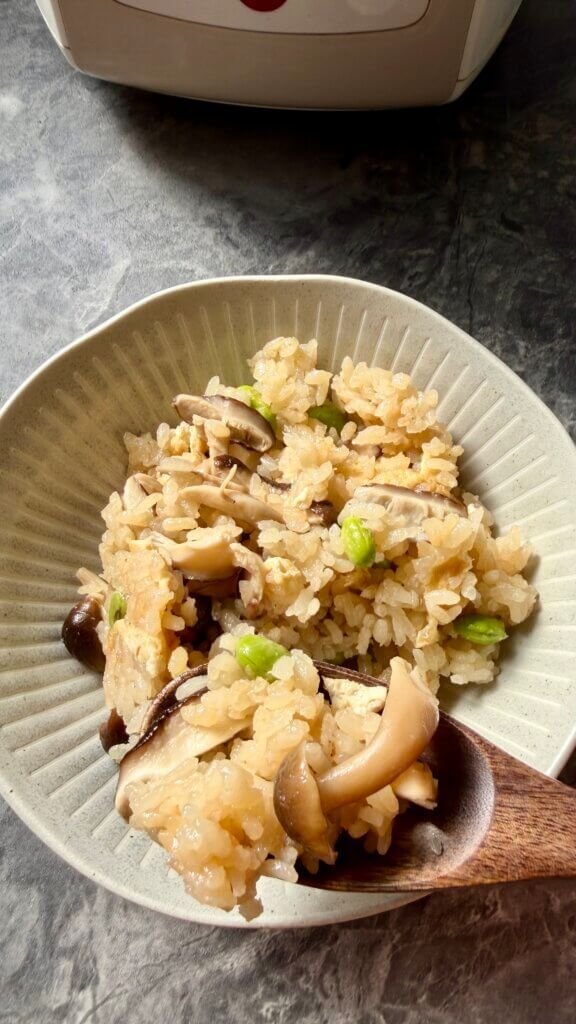
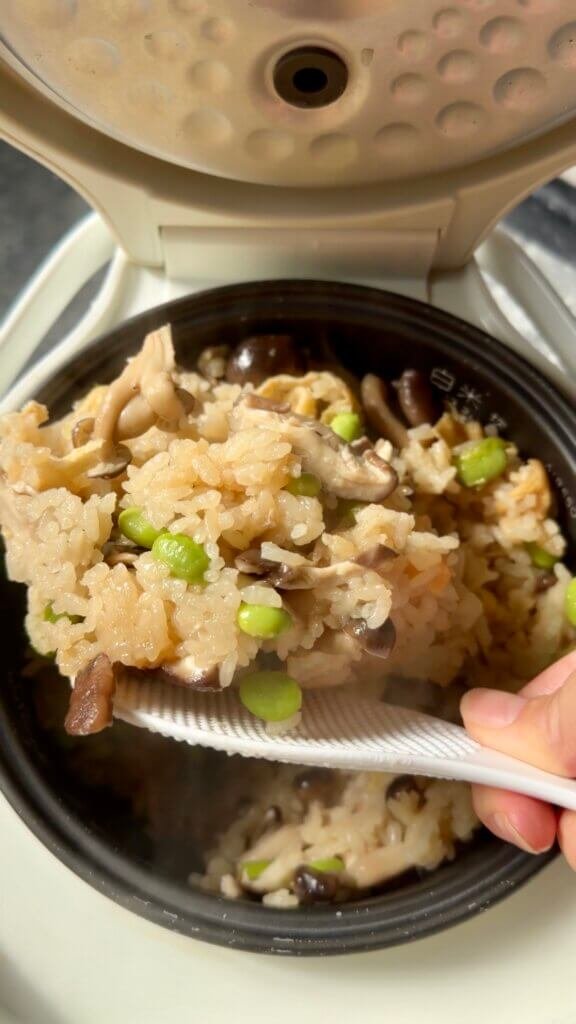
5. Gently Fold with a Cutting Motion: Once the cooking cycle completes, let the pot sit closed for 5 minutes. Open the lid and use a moistened rice paddle (shamoji) to cut through and gently fold the ingredients from bottom to top without crushing the rice grains.
Storage and Reheating Guide
Because cooked rice can harbour bacteria if left at room temperature, proper cooling and storage are essential for safety and optimal taste:
Refrigeration: Allow any leftover Kinoko Gohan to cool down to room temperature (do not leave it out for more than 2 hours). Transfer the rice into an airtight glass or plastic container. It keeps fresh in the refrigerator for up to 3 days.
Freezing (Best Method for Long-Term Storage): Japanese home cooks prefer freezing leftover mixed rice over refrigeration. Portions retain maximum moisture when frozen right after cooking. Wrap individual portion sizes tightly in microwave-safe plastic wrap while still slightly warm, or place them into flat freezer bags. Freeze for up to 1 month.
Reheating Instructions:
From Fridge: Sprinkle 1 teaspoon of water over a bowl of rice, cover loosely with a damp paper towel or lid, and microwave on HIGH for 60 to 90 seconds until steaming hot.
From Frozen: Remove the frozen rice from its storage container and place it directly into a microwave-safe glass bowl. Cover with a microwave-safe plate or a damp paper towel to trap natural steam. Heat on medium power for about 2.5 to 3 minutes until soft and fluffy.
Frequently Asked Questions (FAQ)
Q1: Can I make Japanese Mushroom Rice without a rice cooker?
A: Absolutely! You can easily adapt this recipe for a heavy-bottomed stovetop pot or Dutch oven. Rinse the rice and combine it with the liquid, seasonings, and toppings as directed. Cover tightly with a fitted lid, bring to a boil over medium-high heat, then immediately drop the heat to low and simmer for 12–15 minutes. Remove from heat and let it steam covered for an additional 10 minutes before fluffing.
Q2: Is Kinoko Gohan gluten-free and vegan?
A: As written, standard dashi powder often contains fish extracts (bonito). To make this 100% vegan, substitute standard dashi with vegan mushroom dashi or kombu (kelp) dashi powder. To make it strictly gluten-free, substitute standard soy sauce with certified gluten-free tamari.
Q3: Why did my mushroom rice turn out soggy or undercooked?
A: Mushrooms release a natural amount of water during the steaming cycle. If you use overly watery varieties or fail to measure your base water accurately before adding seasonings, the rice can absorb too much moisture. Always adjust your base water level precisely to the 2-cup line before adding mushrooms and toppings.
Q4: Can I add meat like chicken or pork to this recipe?
A: Yes! Adding small, bite-sized pieces of skinless chicken thigh creates a popular variation known as Tori Kinoko Gohan. Simply toss thin chicken bits with a splash of soy sauce and layer them alongside the mushrooms before pressing start.
Ingredients
Rice
- Uncooked rice: 2 rice cups
- Water: enough to reach the 2-cup line in your rice cooker
Mushrooms & Other Ingredients
- Shimeji mushrooms: 3.5 oz (100 g)
- Shiitake mushrooms: 3.5 oz (100 g)
- Aburaage (fried tofu): 2 pieces
- Edamame: ½ cup
- Ginger, julienned: 1 tbsp, optional
Seasonings
- Dashi powder: 1 tsp
- Sake: 2 tbsp
- Mirin: 2 tbsp
- Soy sauce: 1 tbsp
- Salt: ⅔ tsp
Instructions
- Break the shimeji mushrooms into easy-to-eat pieces, trim off the tough root end, and separate them by hand.
- Remove the stems from the shiitake mushrooms by twisting them off from the base. Trim the tough ends from the stems, then thinly slice both the stems and caps.
- Cut the aburaage in half lengthwise, then slice thinly.
- Thaw the edamame. If using ginger, julienne it into thin strips.
- Add the rinsed rice to the rice cooker and add water up to the 2-cup line. Add the dashi powder, sake, mirin, soy sauce, salt, and ginger then mix well.
- Add the shimeji mushrooms, shiitake mushrooms, aburaage, and edamame. Spread everything evenly over the rice. Don’t worry if the mushrooms seem to fill the rice cooker—they will shrink considerably as they cook.
- Cook the rice using your regular setting or the quick-cook setting. Once the rice is done, use a rice paddle to gently but thoroughly mix everything together to evenly distribute the seasonings throughout the rice. Serve hot.
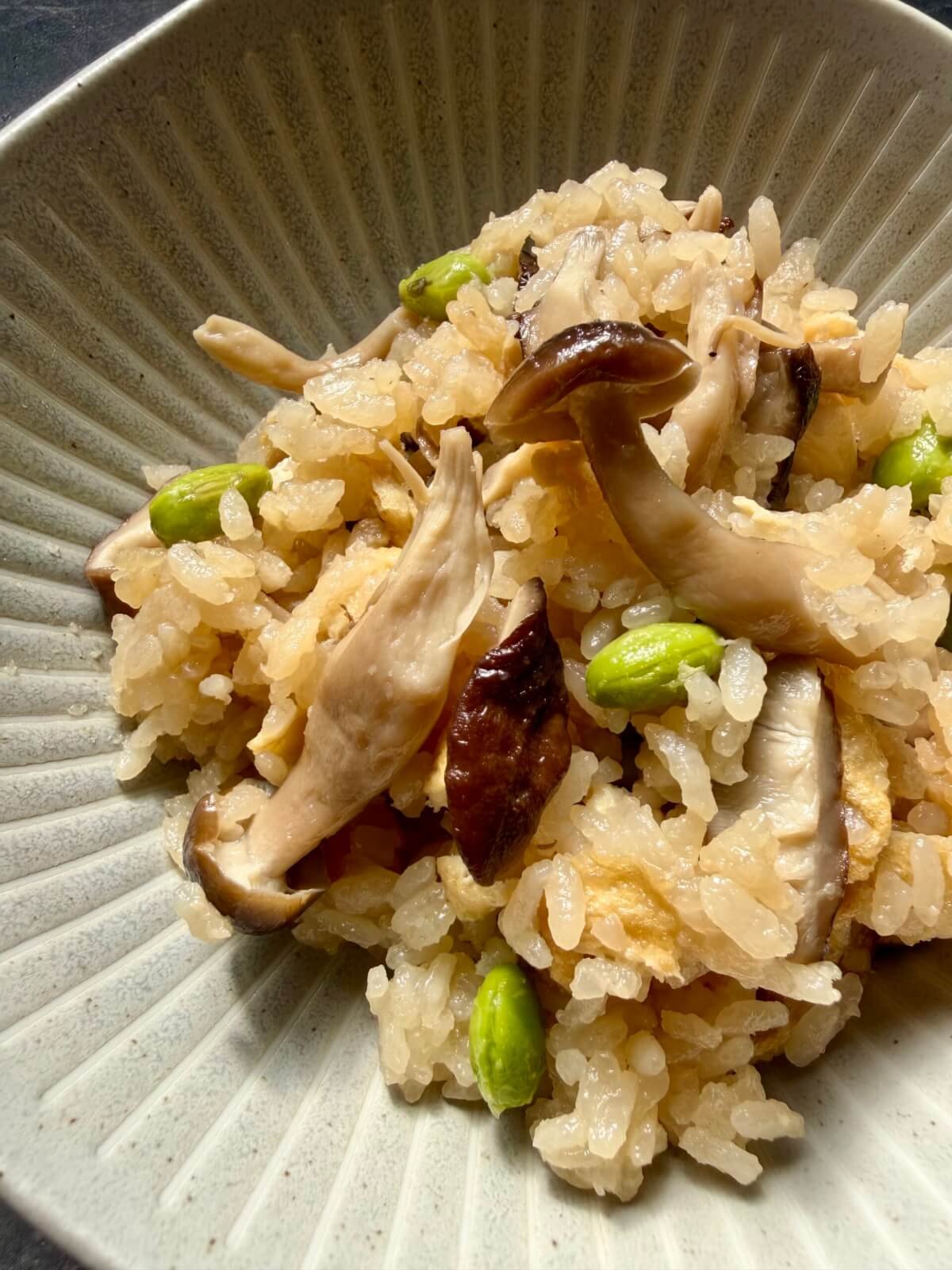
Ingredients
Method
- Break the shimeji mushrooms into easy-to-eat pieces, trim off the tough root end, and separate them by hand.
- Remove the stems from the shiitake mushrooms by twisting them off from the base. Trim the tough ends from the stems, then thinly slice both the stems and caps.
- Cut the aburaage in half lengthwise, then slice thinly.
- Thaw the edamame. If using ginger, julienne it into thin strips.
- Add the rinsed rice to the rice cooker and add water up to the 2-cup line. Add the dashi powder, sake, mirin, soy sauce, salt, and ginger, then mix well.
- Add the shimeji mushrooms, shiitake mushrooms, aburaage, and edamame. Spread everything evenly over the rice. Don’t worry if the mushrooms seem to fill the rice cooker—they will shrink considerably as they cook.
- Cook the rice using your regular setting or the quick-cook setting. Once the rice is done, use a rice paddle to gently but thoroughly mix everything together to evenly distribute the seasonings throughout the rice. Serve hot.


Leave a Reply