
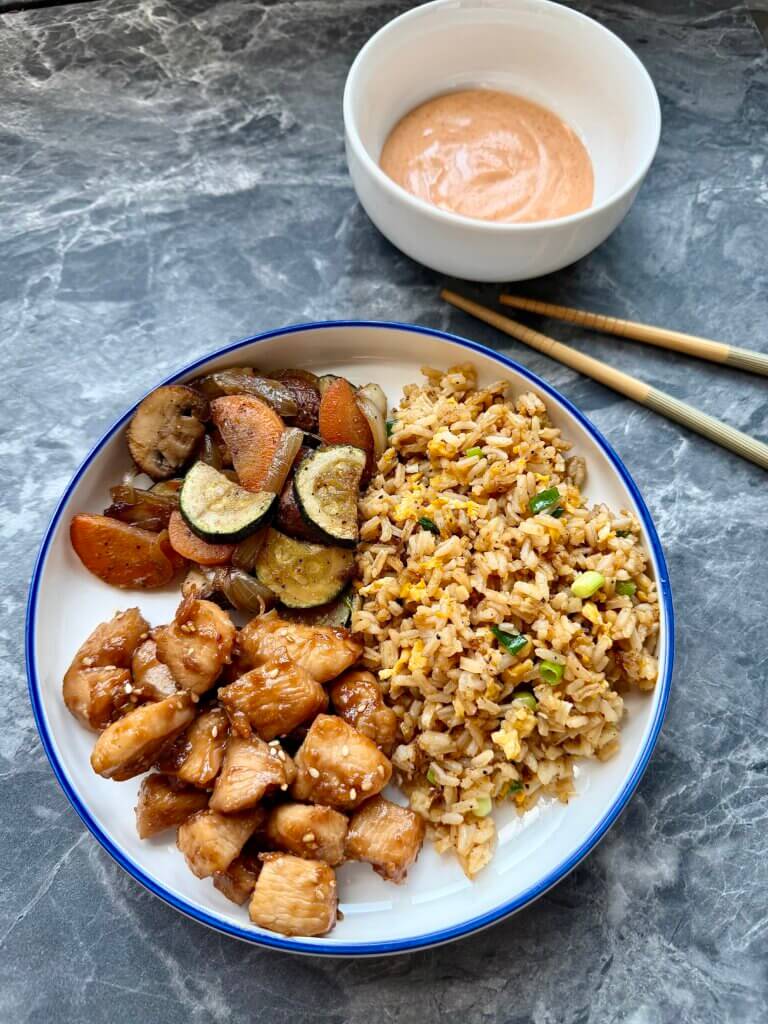
What Is Hibachi? A Traditional Japanese Charcoal Grill
If you’ve ever visited an American hibachi restaurant, you probably picture a skilled hibachi chef cooking chicken, steak, and vegetables on a large flat-top grill while performing tricks and entertaining guests. It’s one of the most popular dining experiences in America and a fun way to enjoy a hibachi dinner at home-inspired meal.


The interesting part is that hibachi means something completely different in Japan. A traditional hibachi is a charcoal brazier that was used as a heat source and sometimes for simple cooking. People could place a small grate over the charcoal to grill fish or toast mochi, but it was never intended to be the large iron cooking surface used in modern American hibachi restaurants.
Because of that, many Japanese people find it fascinating that the word hibachi became associated with theatrical tableside cooking in America. It’s a topic that comes up surprisingly often whenever Japanese people discover what American hibachi restaurants are like.
Teppanyaki vs Hibachi: How the Names Became Mixed Up
When discussing teppanyaki vs hibachi, the cooking style seen in American restaurants is actually much closer to teppanyaki. The word teppanyaki comes from two Japanese words: teppan, meaning iron plate, and yaki, meaning grilled or cooked.
In Japan, teppanyaki can range from casual restaurants to luxury dining experiences where chefs prepare wagyu beef, seasonal seafood, and vegetables one course at a time. The atmosphere is usually quiet and focused on appreciating high-quality ingredients.
So why do Americans call it hibachi?
According to food historians, one major reason is the success of Benihana. After opening in New York City in 1964, Benihana introduced theatrical teppanyaki-style cooking to a huge American audience. The restaurant helped popularize the use of the word hibachi, even though the cooking method was technically teppanyaki. Today, the teppanyaki vs hibachi discussion remains an interesting example of how food cultures evolve when they travel across borders.
The Rise of the American Hibachi Chef
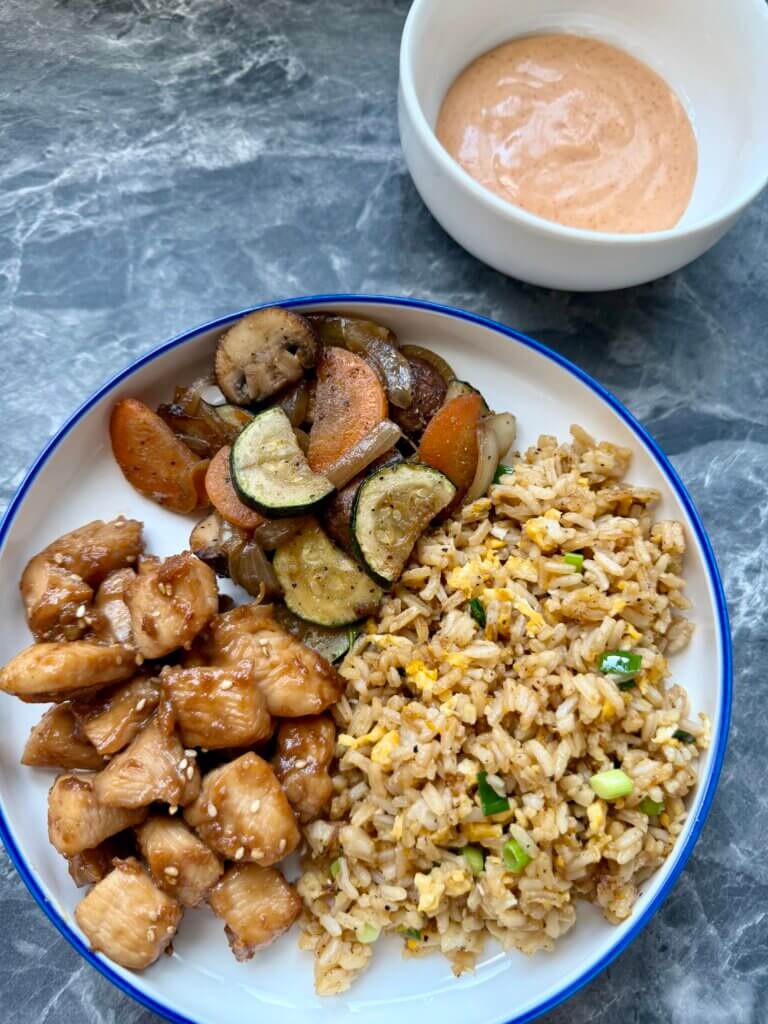
One of the most recognizable parts of the American hibachi experience is the hibachi chef. Knife tricks, onion volcanoes, flying shrimp, and interactive cooking have become just as important as the food itself.
While this style is very different from traditional Japanese teppanyaki, it has created something unique that people genuinely love. Rather than seeing it as incorrect, many Japanese visitors view it as an interesting Japanese-American food tradition that developed its own identity.
Honestly, after visiting American hibachi restaurants, I sometimes wish we had more places like them in Japan. They bring together people of all ages and backgrounds and turn dinner into an event rather than just a meal.
How to Make Hibachi at Home
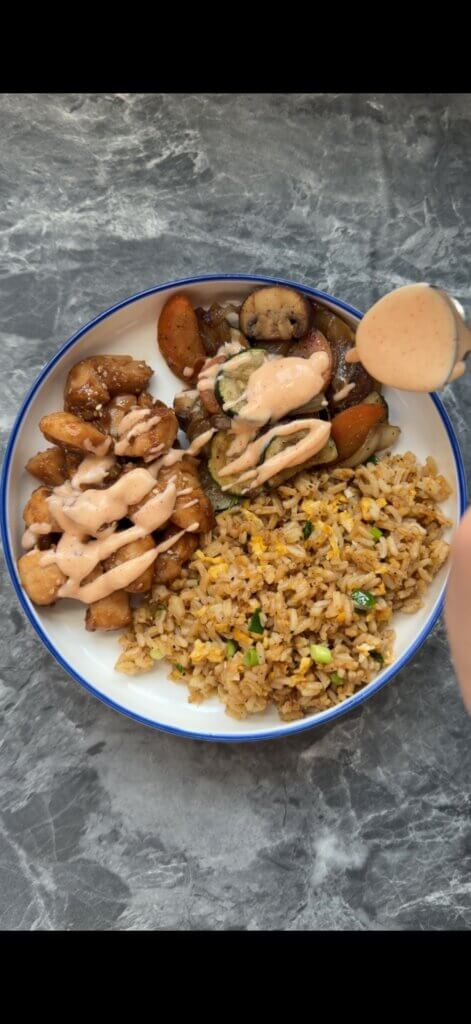
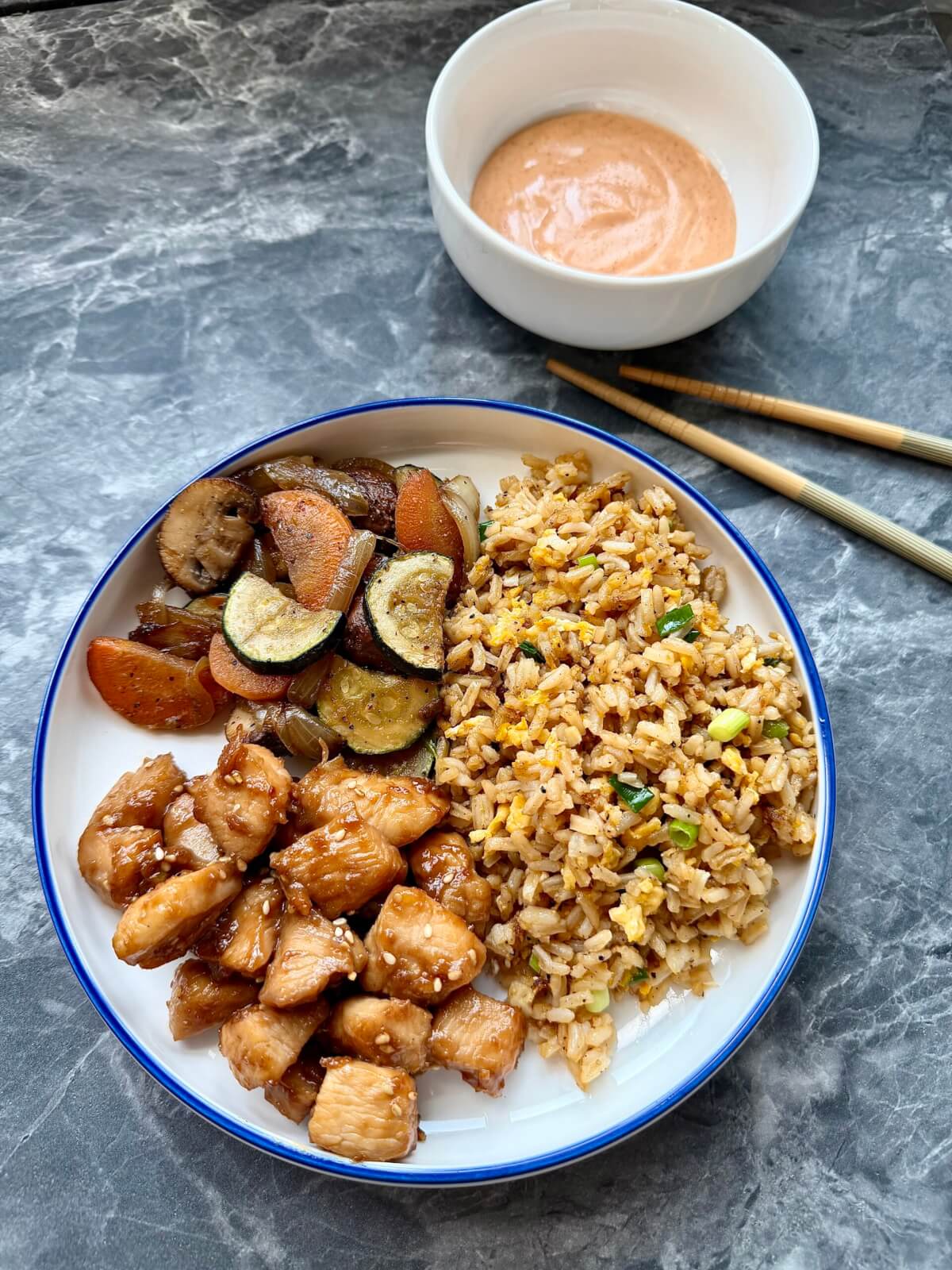
If you’ve ever wanted to learn how to make hibachi at home, this complete hibachi chicken and rice recipe includes everything you need for a restaurant-style experience. You’ll make hibachi fried rice, vegetables, chicken, and the famous yum yum sauce that many people consider the ultimate hibachi chicken sauce recipe.
While this hibachi chicken recipe is one of the most popular choices for a hibachi dinner at home, many restaurants also offer shrimp and hibachi recipe steak variations.
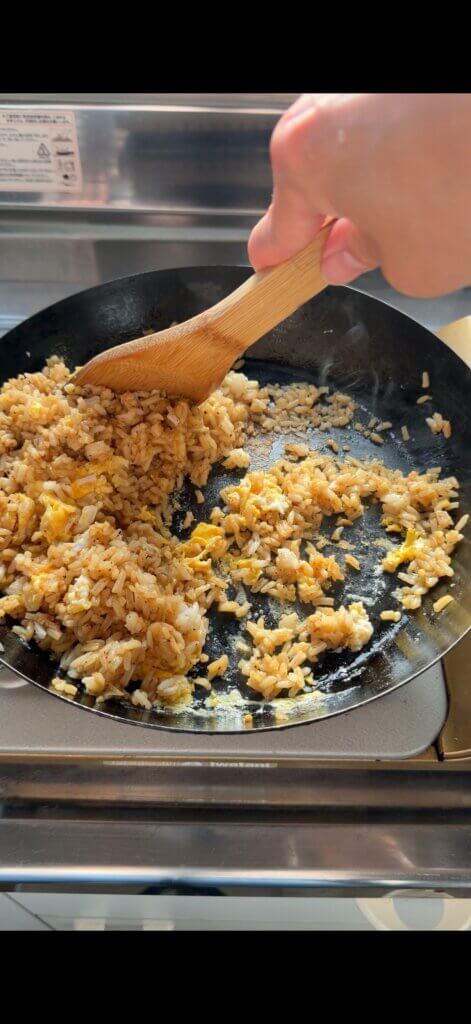
Hibachi Fried Rice
Ingredients
Cooked long grain rice: 1.5 cups
Butter: 1 tbsp
Minced garlic: 1 tbsp
Soy sauce: 1 tbsp
Egg: 1
Green onion, chopped: 1/4 cup
Black pepper: 1/4 tsp
Chicken stock powder: 1/4 tsp
Sesame oil: 1 tsp
Instructions
- Melt the butter in a skillet over medium-low heat.
- Add the garlic and cook for 1 minute until fragrant.
- Add the rice and cook over medium heat for 1 minute.
- Add the soy sauce, black pepper, and chicken stock powder. Stir and cook for another minute.
- Add the sesame oil, then pour in the beaten egg and cook for 1 minute while stirring.
- Add the green onion, stir lightly, and serve.
Hibachi Vegetables
Ingredients
Onion, sliced: 1/2 cup
Carrot, sliced: 1/4 cup
Zucchini, sliced: 1/2 cup
Mushrooms, halved: 5
Soy sauce: 2 tsp
Salt: 1/8 tsp
Black pepper: 1/4 tsp
Garlic powder: 1/4 tsp
Sesame oil: 1/2 tbsp
Instructions
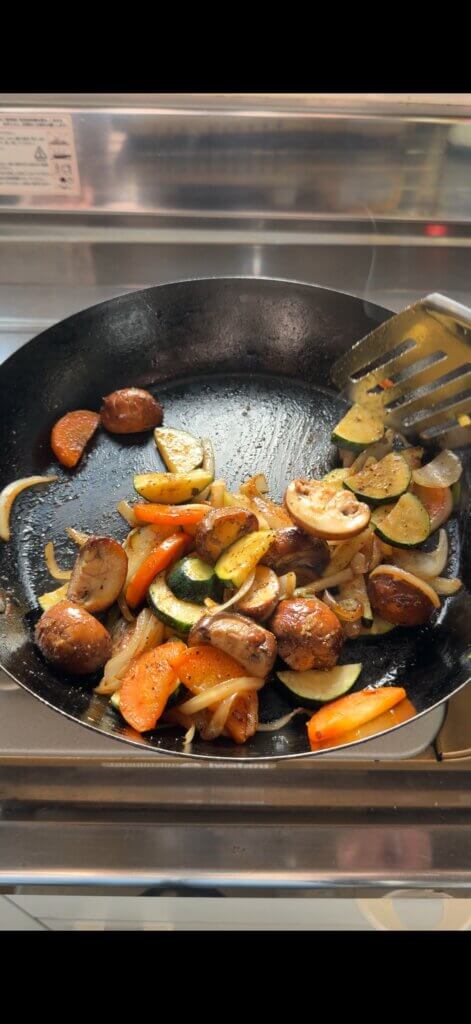
- Heat the sesame oil in a skillet over medium-high to high heat.
- Add all vegetables and sauté for 3–4 minutes until softened.
- Reduce the heat to medium-low.
- Add all seasonings and cook for 1 more minute.
- Serve immediately.
Hibachi Chicken Recipe
Ingredients
Cooking oil: 1/2 tbsp
Chicken breast: 2/3 lb
Sesame oil: 2 tsp
Soy sauce: 1.5 tbsp
Hoisin sauce: 1.5 tbsp
Garlic, grated: 1 tsp
Ginger, grated: 1 tsp
White sesame seeds: 1 tsp
Instructions
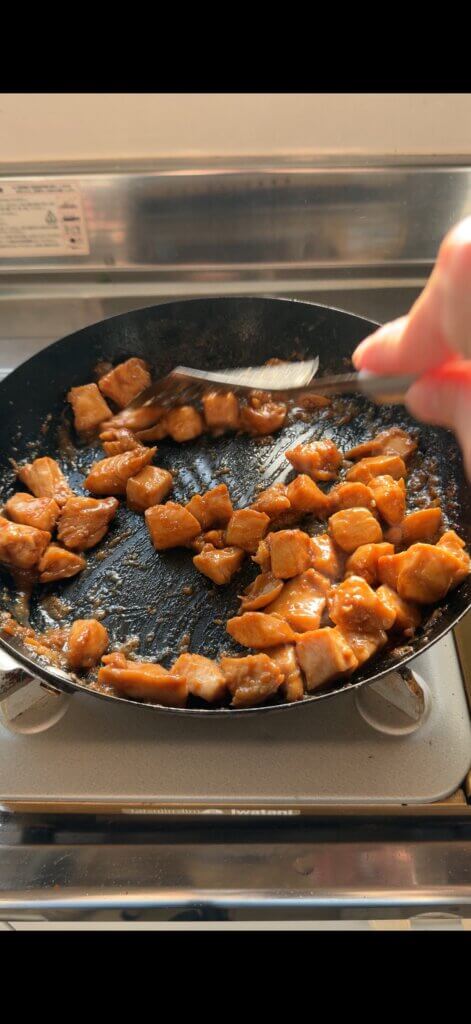
- Heat the cooking oil in a skillet over medium heat.
- Cook the chicken for 7–8 minutes.
- Add the sesame oil, soy sauce, hoisin sauce, garlic, and ginger.
- Stir well and cook until coated and heated through.
- Sprinkle with sesame seeds and serve.
Yum Yum Sauce
Ingredients
Mayonnaise: 1/4 cup
Ketchup: 1/2 tbsp
Sugar: 2 tsp
Butter: 1 tbsp
White pepper: 1/8 tsp
Garlic powder: 1/4 tsp
Paprika: 1/4 tsp
Instructions
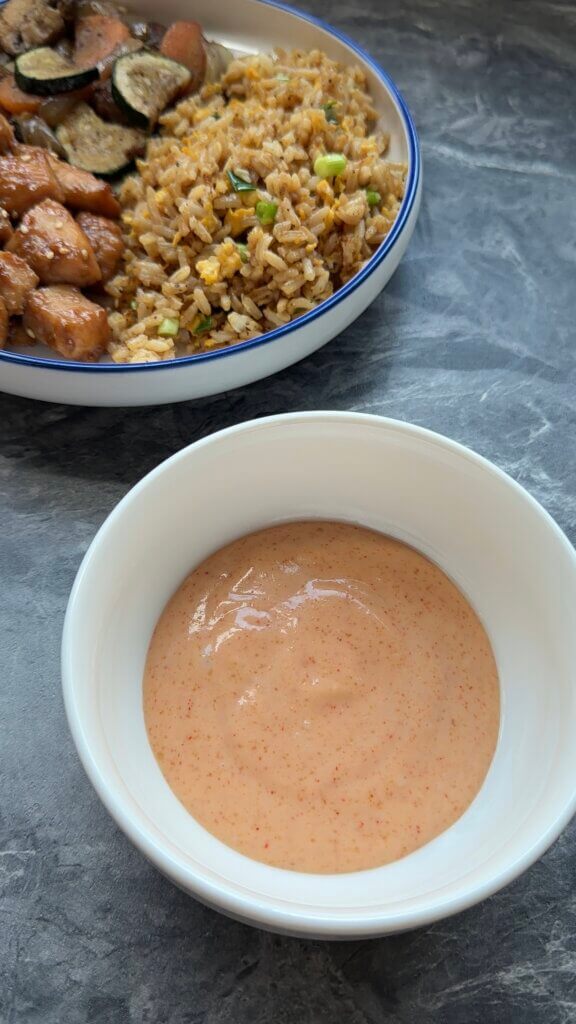
- Place the butter in a microwave-safe bowl, cover, and microwave for 30 seconds until melted.
- Add the remaining ingredients and mix until smooth.
- Serve immediately or chill before serving.
Ingredients
Method
- Melt the butter in a skillet over medium-low heat.
- Add the garlic and cook for 1 minute until fragrant.
- Add the rice and cook over medium heat for 1 minute.
- Add the soy sauce, black pepper, and chicken stock powder. Stir and cook for another minute.
- Add the sesame oil, then pour in the beaten egg and cook for 1 minute while stirring.
- Add the green onion, stir lightly, and serve.
- Heat the sesame oil in a skillet over medium-high to high heat.
- Add all vegetables and sauté for 3–4 minutes until softened.
- Reduce the heat to medium-low.
- Add all seasonings and cook for 1 more minute.
- Heat the cooking oil in a skillet over medium heat.
- Cook the chicken for 7–8 minutes.
- Add the sesame oil, soy sauce, hoisin sauce, garlic, and ginger.
- Stir well and cook until coated and heated through.
- Sprinkle with sesame seeds and serve.
- Place the butter in a microwave-safe bowl, cover, and microwave for 30 seconds until melted.
- Add the remaining ingredients and mix until smooth.
- Serve immediately or chill before serving.
Leave a Reply