

This Japanese mochi recipe shows you how to make soft, fresh mochi at home in just 15 minutes using modern kitchen tools. It’s an easy Japanese mochi recipe for anyone who wants to enjoy traditional mochi without special equipment.
If you’ve been searching for a Japanese mochi recipe easy enough for a home kitchen, or wondering about Japanese mochi ingredients and types, this is a simple place to start.
A Short Story About Mochi in My Family
In my family, mochi was traditionally made the old-fashioned way — by steaming rice and pounding it with a wooden mallet (kine) in a mortar (usu). It was a physical and joyful event, and it was also an important family ritual.
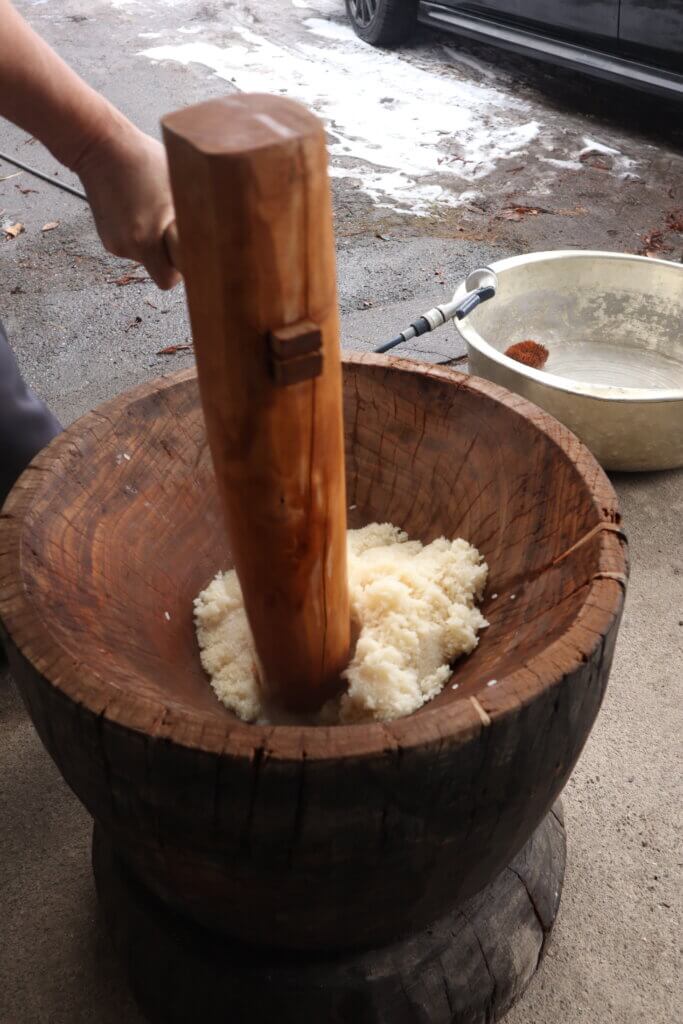
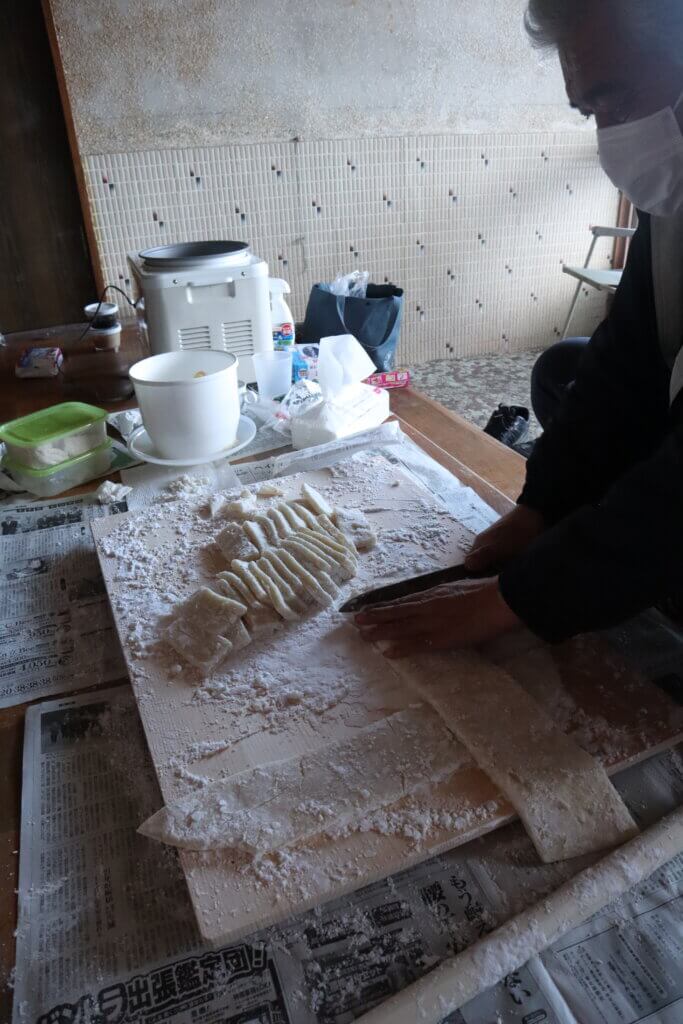
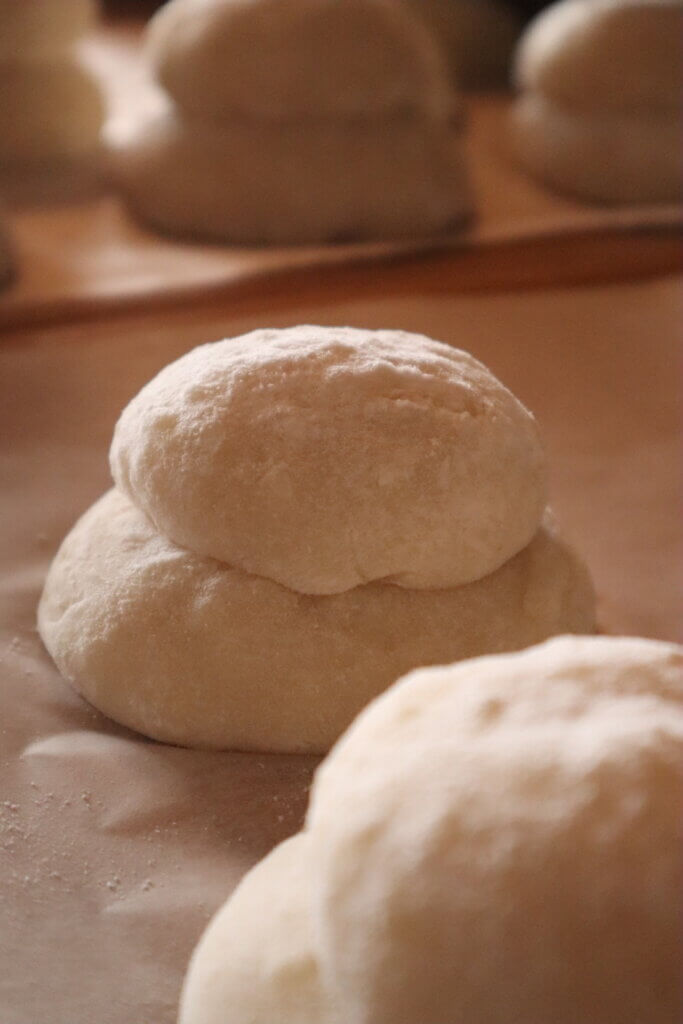
Over time, many families — including mine — have switched to electric mochi makers. They’re faster, easier, and fit better into modern life.
But the act of making mochi together — pounding it, shaping it by hand, eating it while it’s still warm, and drying what can’t be finished — is itself a way of welcoming the New Year, for my family, who are farmers. It isn’t just about the food. It’s about marking a beginning.
The rice used for mochi is harvested once a year, and it represents the work of an entire growing season. Saving it for the New Year turns it into a celebration — a way of honoring what has been completed, and welcoming the start of a new cycle: planting in spring, preparing the fields, and beginning again.
What Is Mochi? — Japanese Mochi Ingredients & Types
Mochi is a traditional Japanese food made from glutinous rice (mochigome), known for its chewy, stretchy texture.

That said, not everything called “mochi” in Japan is made the same way. Some sweets, like daifuku, are often made with mochiko or shiratamako (rice flour) instead of whole soaked rice. These versions are soft and delicious, but technically they are flour-based mochi.
This recipe uses whole glutinous rice that is soaked, blended, and cooked — closer to the traditional method of making pounded rice mochi, just with modern tools.
In eastern Japan (like the Kantō region, including Tokyo), square mochi is common, while in western Japan (such as Kansai — Kyoto, Osaka, and surrounding areas), round mochi is traditionally used. Both shapes are equally traditional, just regionally different.
Why This Recipe Works
One thing I love about this recipe is that it uses modern tools — a blender and a microwave — to recreate something deeply traditional. It’s a small reminder that even old foods can live comfortably in new kitchens.
When I was living in Canada, this was the first way I could make and eat the mochi I grew up with, using only the tools in my kitchen. I remember how moving that felt — being able to make something so familiar, so far from home. I shared it with my Japanese friends and my Canadian friends at New Year, and we ate it together to celebrate.
It’s also fast, flexible, and forgiving — which makes it perfect for beginners.
Japanese Mochi Recipe (15 Minutes, Serves 4)
Ingredients
Glutinous rice (short grain): 1 ½ cups
Water: ⅔ cup
Cornstarch (for dusting): ¼ cup
Instructions
Step 1: Soak & Blend
Soak the rice in plenty of water for at least 30 minutes. Drain well.
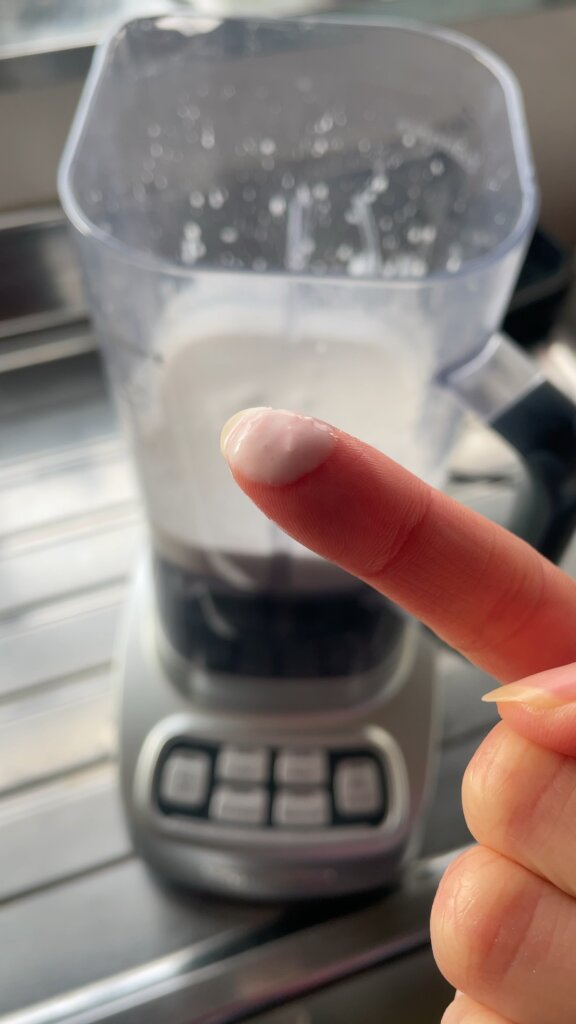
Blend the rice with ⅔ cup water until completely smooth.
Step 2: Microwave the Mochi
Transfer the mixture to a microwave-safe container. Microwave until it puffs up. Flip it, then microwave again until the back side also puffs up. Continue microwaving until no white liquid remains and the whole mixture turns an even off-white color.
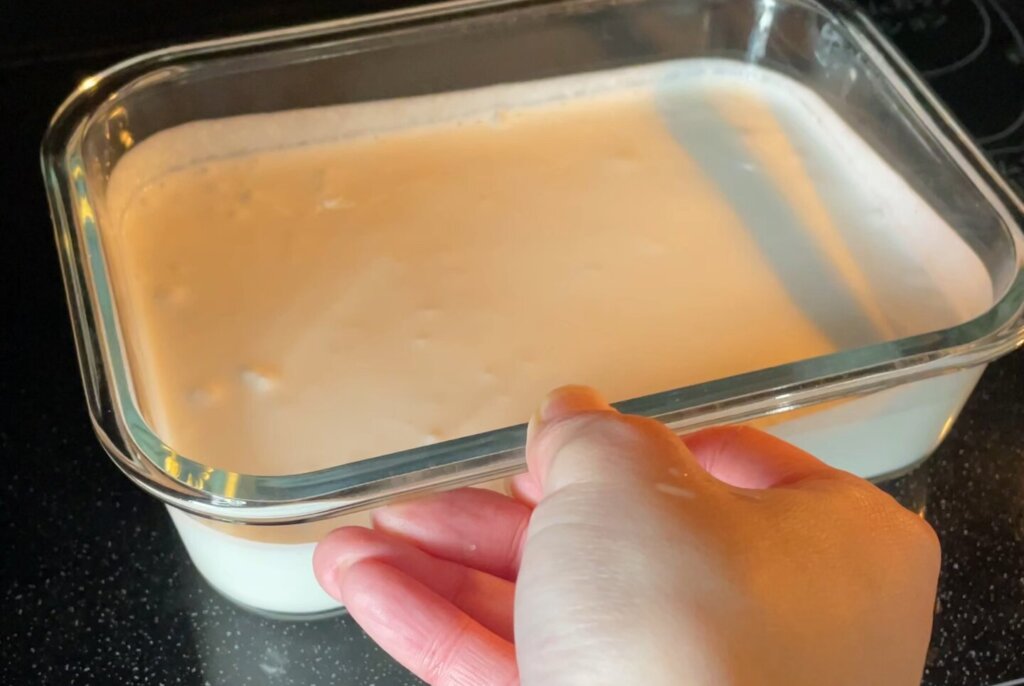
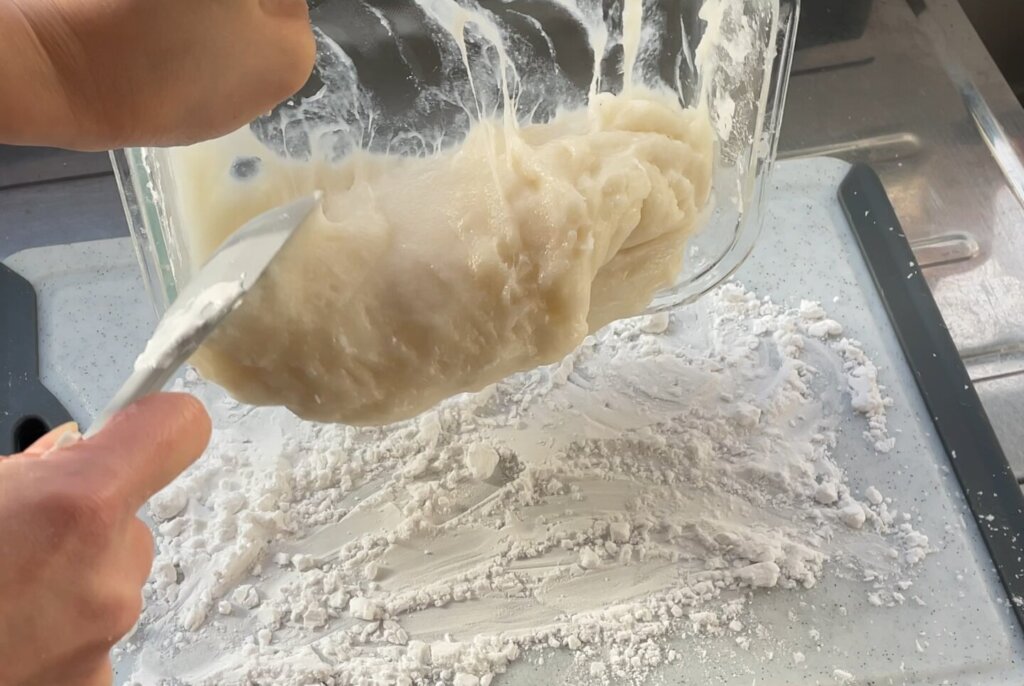
Note: For my microwave, it took about 4 ½ minutes for the first side and another 1 ½ minutes after flipping.
Step 3: Shape & Cut
Dust a cutting board generously with cornstarch. Transfer the hot mochi onto the board, flip it to coat both sides, and gently stretch it out.
Cut into pieces with a wet knife, re-wetting the blade between each cut.
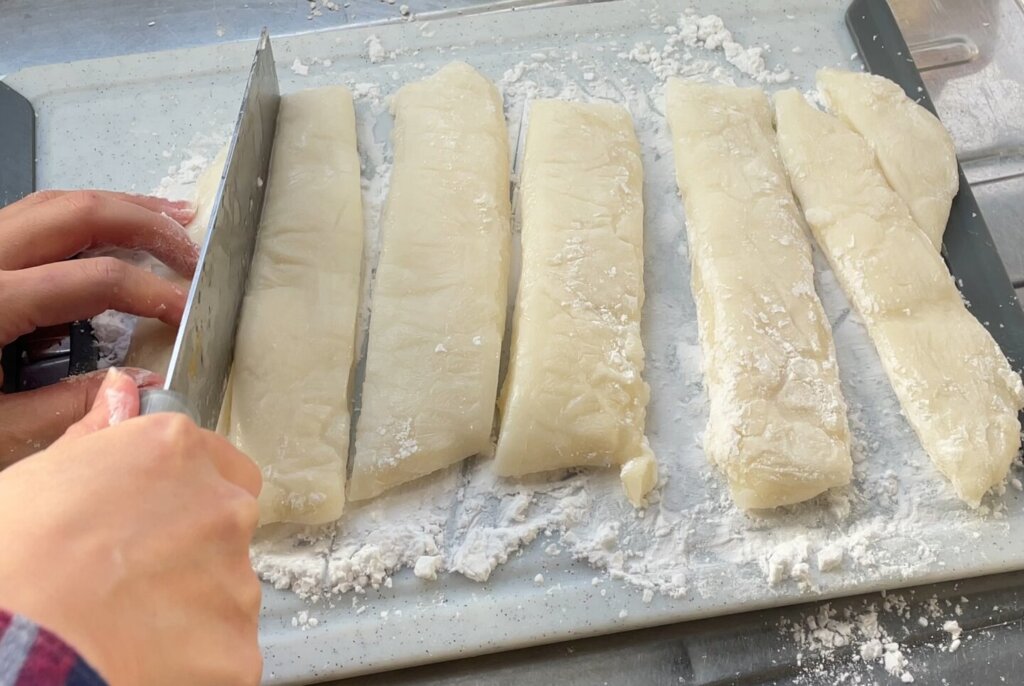
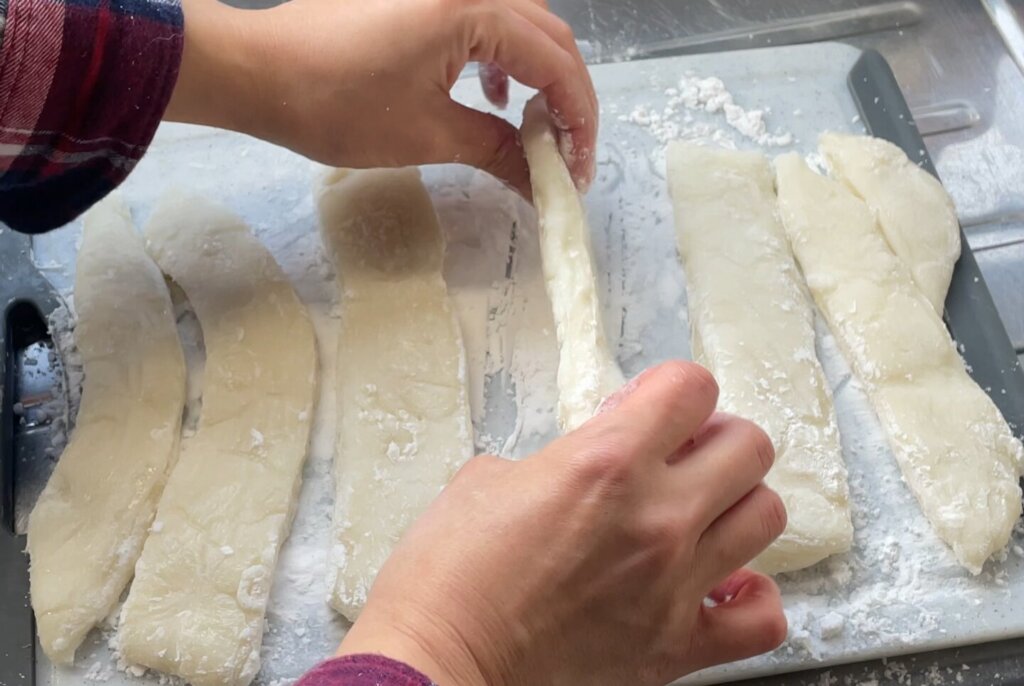
Ingredients
Method
- Soak the rice in plenty of water for at least 30 minutes. Drain well. Blend the rice with ⅔ cup water until completely smooth.
- Transfer the mixture to a microwave-safe container. Microwave until it puffs up. Flip it, then microwave again until the back side also puffs up. Continue microwaving until no white liquid remains and the whole mixture turns an even off-white color.
- Dust a cutting board generously with cornstarch. Transfer the hot mochi onto the board, flip it to coat both sides, and gently stretch it out.
- Cut into pieces with a wet knife, re-wetting the blade between each cut.
Leave a Reply