
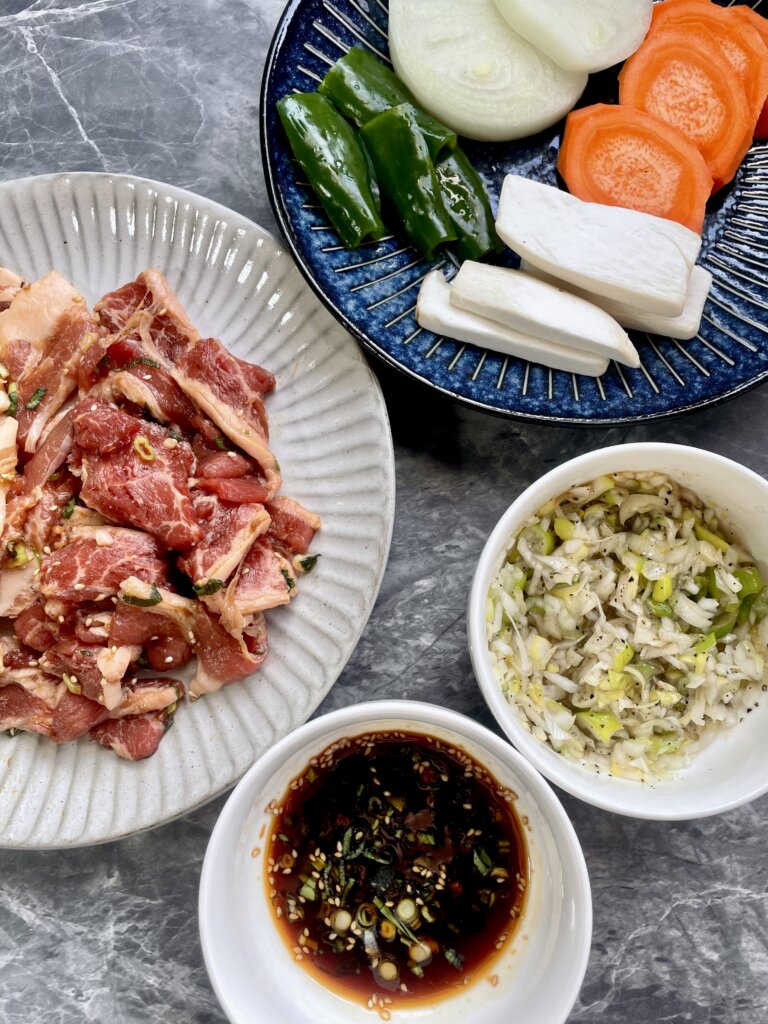
Two Classic Sauces for Japanese Yakiniku
When people think of Japanese BBQ, the focus is often on the meat. But in reality, the sauces are just as important. A classic yakiniku meal is usually served with more than one condiment, and the combination of sauces is what creates the full experience.
In this recipe, you’ll learn how to make yakiniku sauce along with a fresh green onion and lemon topping. These two sauces are among the most classic condiments served with grilled meat in Japan. One is a savory-sweet soy-based yakiniku sauce, and the other is a bright, aromatic green onion topping that adds freshness and balance.
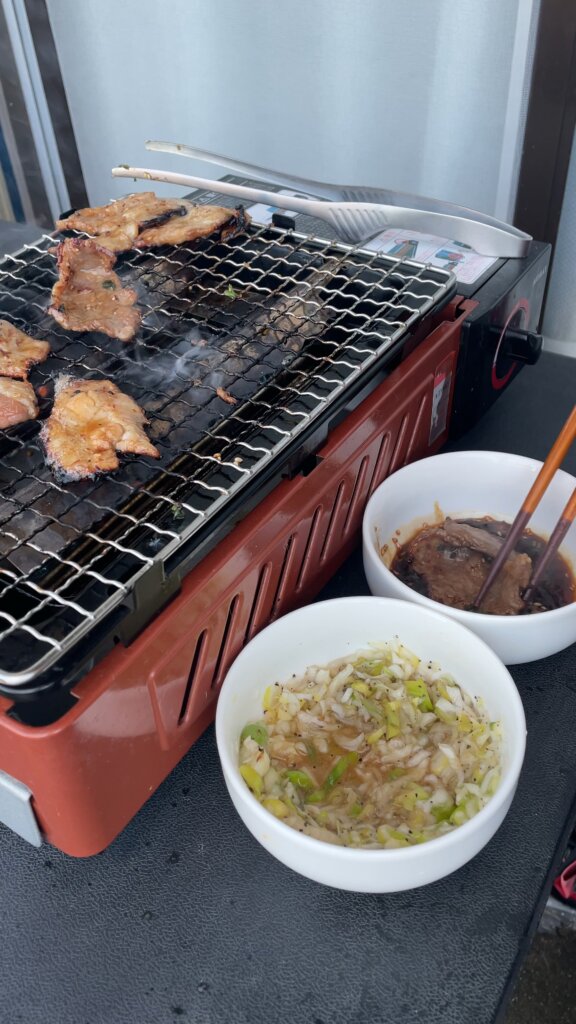
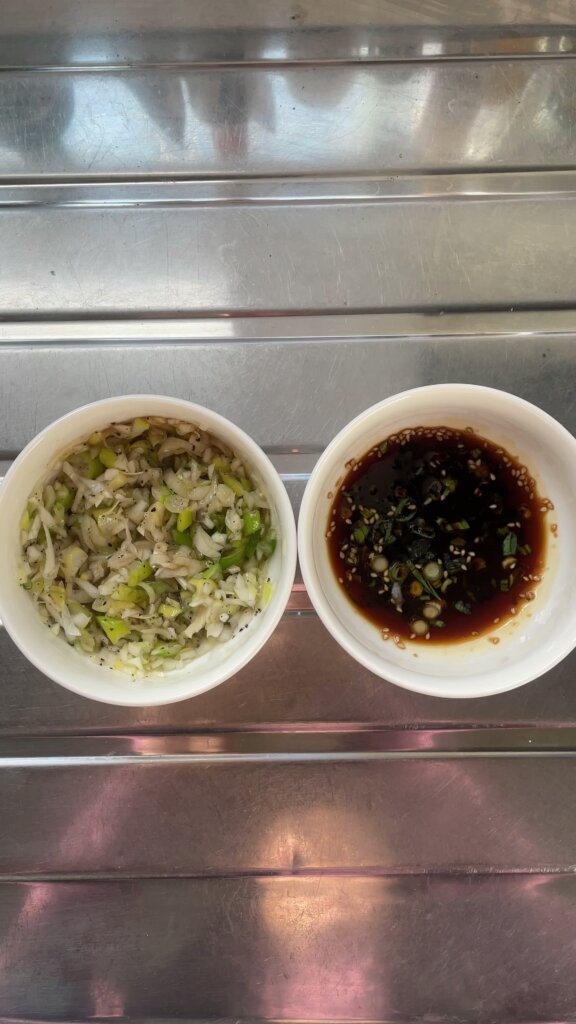
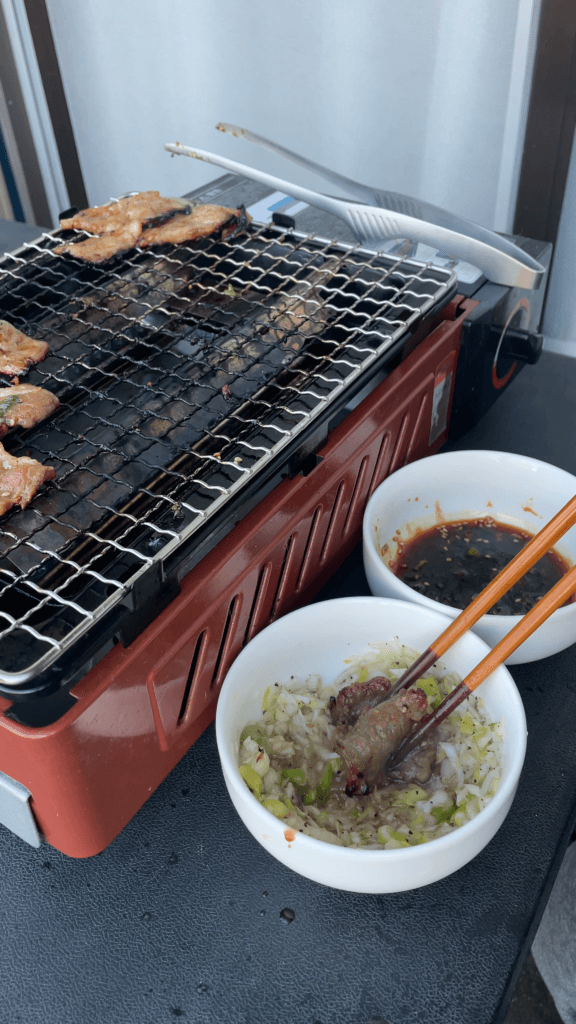
The best part is that the Japanese yakiniku sauce ingredients are incredibly simple. With pantry staples like soy sauce, mirin, garlic, and sesame oil, you can make an authentic Japanese barbecue sauce recipe at home. Even though the recipe is easy, the flavor tastes just like the sauces served at yakiniku restaurants in Japan.
Together, these two sauces create what many people would consider the best Japanese barbecue sauce combination for grilled meat.
What Is Yakiniku Sauce?
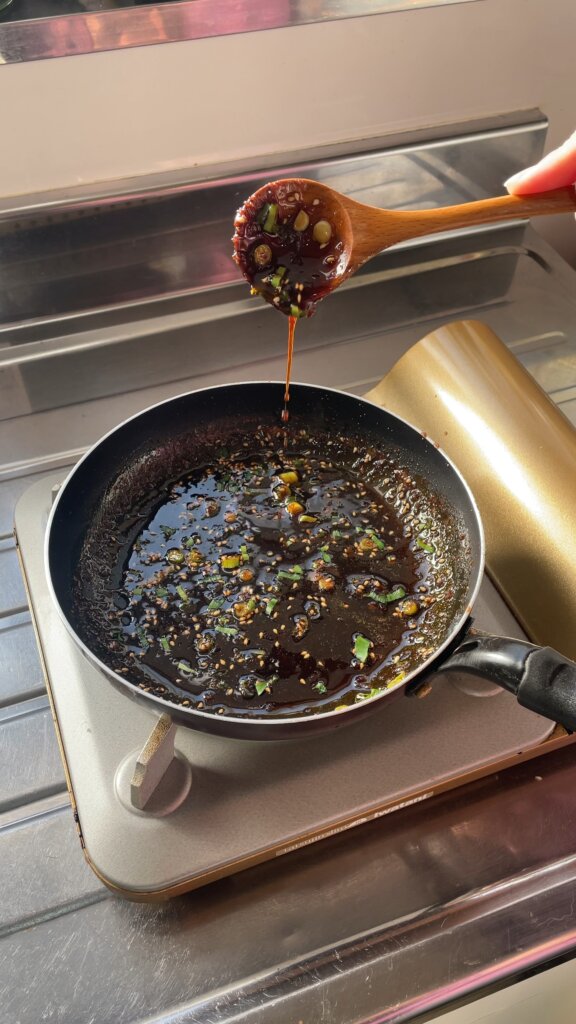
If you’re wondering what is yakiniku sauce, it’s the savory and slightly sweet sauce used in Japanese BBQ restaurants for both marinating and dipping grilled meat.
Unlike many Western barbecue sauces, Japanese yakiniku sauce is lighter and more soy-based. It enhances the flavor of the meat rather than covering it up.
One important part of the yakiniku experience is using the sauce as a yakiniku marinade before grilling. When the meat is marinated, the sauce caramelizes as it cooks, creating fragrant smoke that adds even more flavor to the meat.
This technique is especially common in Kansai-style yakiniku. Marinating helps season the meat deeply and can make even simple cuts taste like they came from a great yakiniku restaurant.
A Simple Way to Create Authentic Japanese BBQ Flavor
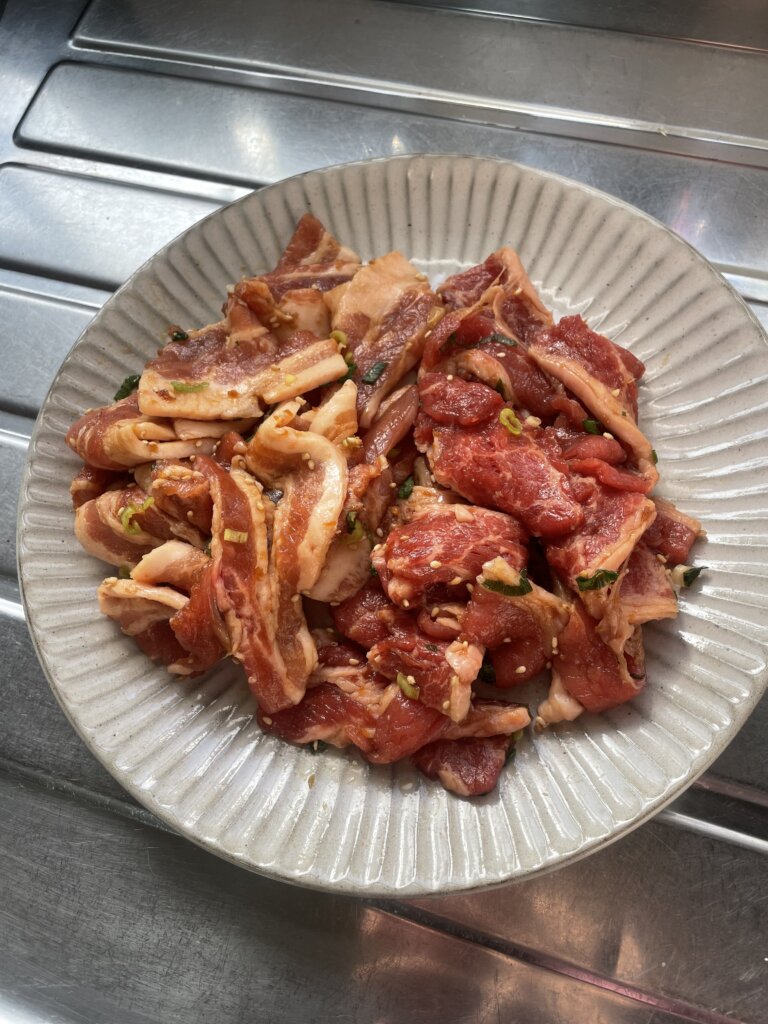
One of the reasons this Japanese BBQ sauce recipe is so popular is how easy it is to make. With just a few common ingredients, you can create restaurant-style yakiniku at home.
This recipe makes about 5 tablespoons of sauce. For about 10 oz (⅔ lb) of meat, use roughly 3 tablespoons as a yakiniku marinade and reserve the remaining sauce for dipping after grilling. Marinating the meat before cooking allows the flavors to soak in and helps create the smoky aroma that makes Japanese BBQ so delicious.
Paired with the fresh green onion topping, the result is a balanced and authentic Japanese BBQ experience.
Ingredients (Serves 1–2; for about ⅔ lb / 10 oz meat)
Sweet Soy Yakiniku Sauce
Soy sauce: 6 tablespoons
Sake: 3 tablespoons
Mirin: 3 tablespoons
Sugar: 3 tablespoons
Sesame oil: 1½ tablespoons
Grated garlic: 1 teaspoon
Grated ginger: 1 teaspoon
Sesame seeds: 2 teaspoons
Chopped green onion: 1 tablespoon
Green Onion Topping
Finely chopped Japanese long green onion(naganegi): ¾ cup
Chicken stock powder: 1 teaspoon
Black pepper: ½ teaspoon
Lemon juice: 1 tablespoon
Oyster sauce: ½ teaspoon
Sugar: ½ teaspoon
Instructions
Make the Yakiniku Sauce
- In a small saucepan, combine soy sauce, sake, mirin, sugar, sesame oil, grated garlic, and grated ginger.
- Heat over medium-low heat and simmer for 3–4 minutes, stirring occasionally. This cooks off the alcohol from the sake and mirin while allowing the sauce to thicken slightly.
- Once the sauce has reduced slightly, turn off the heat and stir in the sesame seeds and chopped green onion.
- If the sauce tastes too strong or has reduced too much, add a small splash of water to adjust the flavor.
This recipe makes about 5 tablespoons of sauce. For about 10 oz (⅔ lb) of meat, use about 3 tablespoons as a marinade before grilling, and reserve the remaining sauce for dipping. Marinating the meat first allows the sauce to caramelize on the grill and creates the smoky aroma that makes yakiniku so flavorful.
Make the Green Onion Topping
- Prepare about ¾ cup finely chopped green onion (roughly half of a large Japanese long onion).
- To chop it by hand, make shallow diagonal cuts about ⅛ inch apart along the onion, scoring only halfway through. Flip the onion and repeat the same diagonal pattern.
- Cut the onion in half lengthwise, stack the pieces, and slice across to create finely chopped green onion.
- Place the chopped onion in a bowl and mix with chicken stock powder, black pepper, lemon juice, oyster sauce, and sugar until evenly combined.
You can also use a food processor to chop the onion if you prefer.
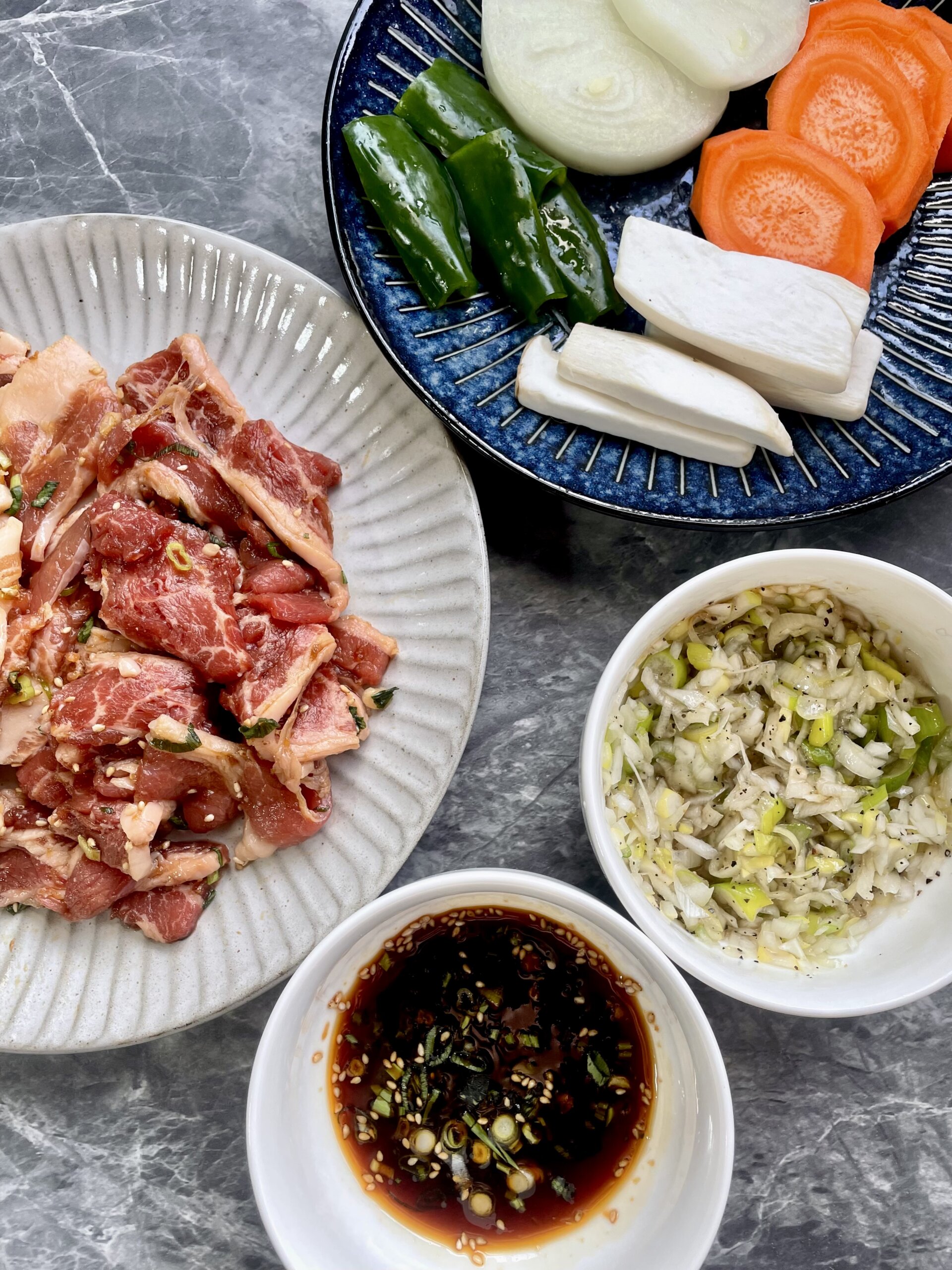
Serve this fresh topping alongside the Japanese yakiniku sauce for dipping grilled meat. A common way to enjoy it is to wrap a small bundle of the green onions around the grilled meat with chopsticks before taking a bite.
Ingredients
Method
- In a small saucepan, combine soy sauce, sake, mirin, sugar, sesame oil, grated garlic, and grated ginger.
- Heat over medium-low heat and simmer for 3–4 minutes, stirring occasionally. This cooks off the alcohol from the sake and mirin while allowing the sauce to thicken slightly.
- Once the sauce has reduced slightly, turn off the heat and stir in the sesame seeds and chopped green onion.
- If the sauce tastes too strong or has reduced too much, add a small splash of water to adjust the flavor.
- This recipe makes about 5 tablespoons of sauce. For about 10 oz (⅔ lb) of meat, use about 3 tablespoons as a marinade before grilling, and reserve the remaining sauce for dipping. Marinating the meat first allows the sauce to caramelize on the grill and creates the smoky aroma that makes yakiniku so flavorful.
- Prepare about ¾ cup finely chopped green onion (roughly half of a large Japanese long onion).
- To chop it by hand, make shallow diagonal cuts about ⅛ inch apart along the onion, scoring only halfway through. Flip the onion and repeat the same diagonal pattern.
- Cut the onion in half lengthwise, stack the pieces, and slice across to create finely chopped green onion.
- Place the chopped onion in a bowl and mix with chicken stock powder, black pepper, lemon juice, oyster sauce, and sugar until evenly combined.
- You can also use a food processor to chop the onion if you prefer.

Leave a Reply