
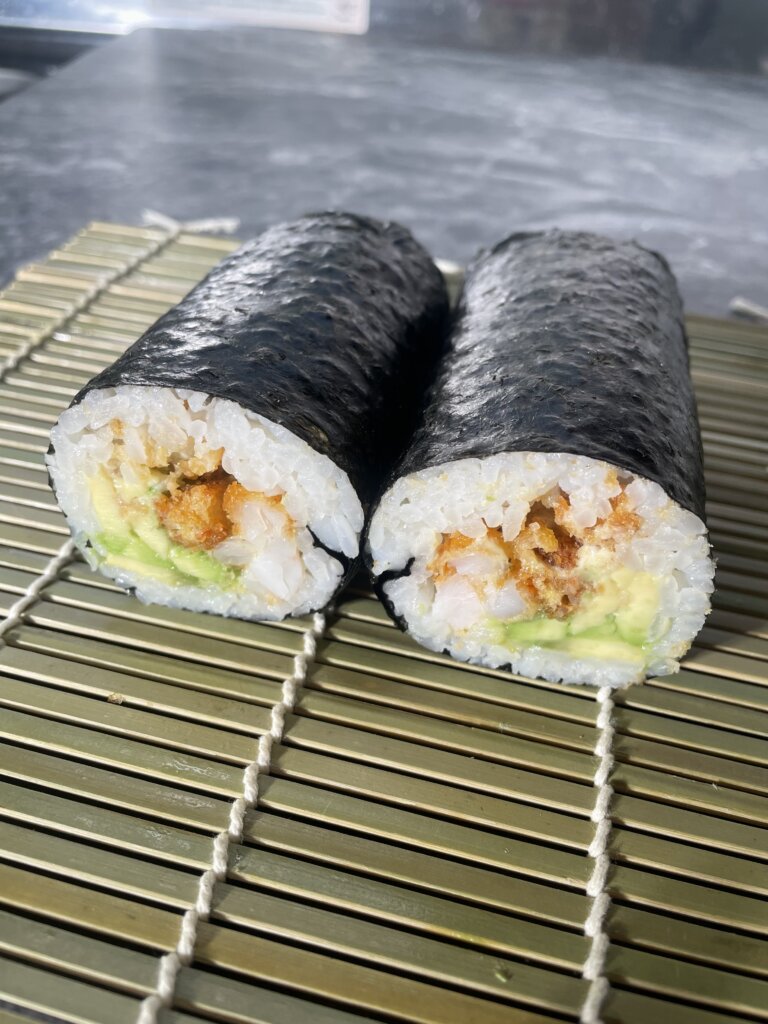
If you’ve ever been in Japan in early February, you may have noticed something special filling the shelves of convenience stores.
Around February 3rd, Japanese konbini sell a seasonal sushi roll called Ehomaki — a thick, uncut roll eaten for good luck.
This recipe is inspired by that tradition, but with a twist.
Instead of copying a specific convenience store filling, I created my own homemade version: a crispy shrimp and avocado roll with wasabi mayo.
Just to be clear: shrimp and avocado isn’t a typical konbini Ehomaki flavor in Japan — this is simply a fun, personal variation inspired by the tradition.
What Is Ehomaki?

Ehomaki is eaten on Setsubun, a day meant to chase away bad luck and welcome good fortune for the year ahead.
What makes Ehomaki unique is the way it’s eaten:
- The roll is kept whole (not sliced)
- You face the lucky direction of the year
- You eat it quietly, in one go
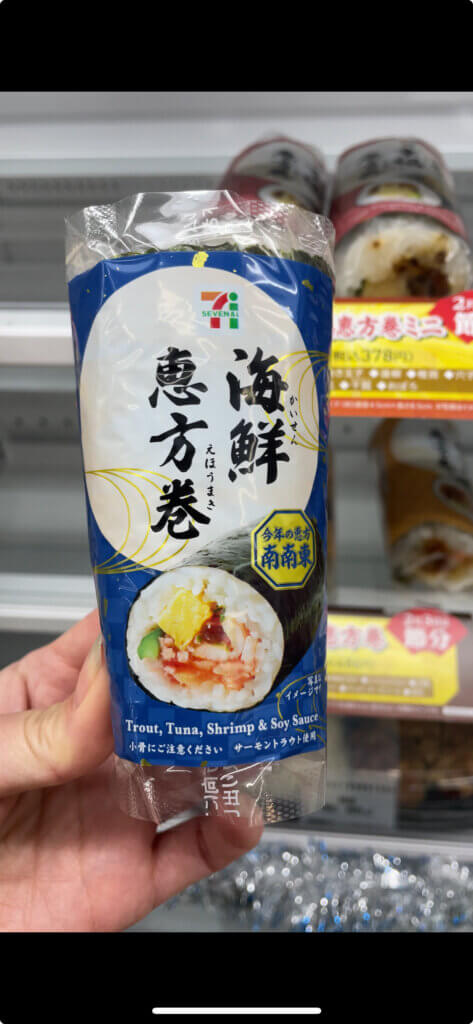
Although it feels like an old custom, Ehomaki became widely popular across Japan in the 2010s, especially after convenience stores began selling it nationwide.
Today, it’s one of the most recognizable seasonal foods you’ll see in Japan every winter.
A Homemade Twist on the Tradition
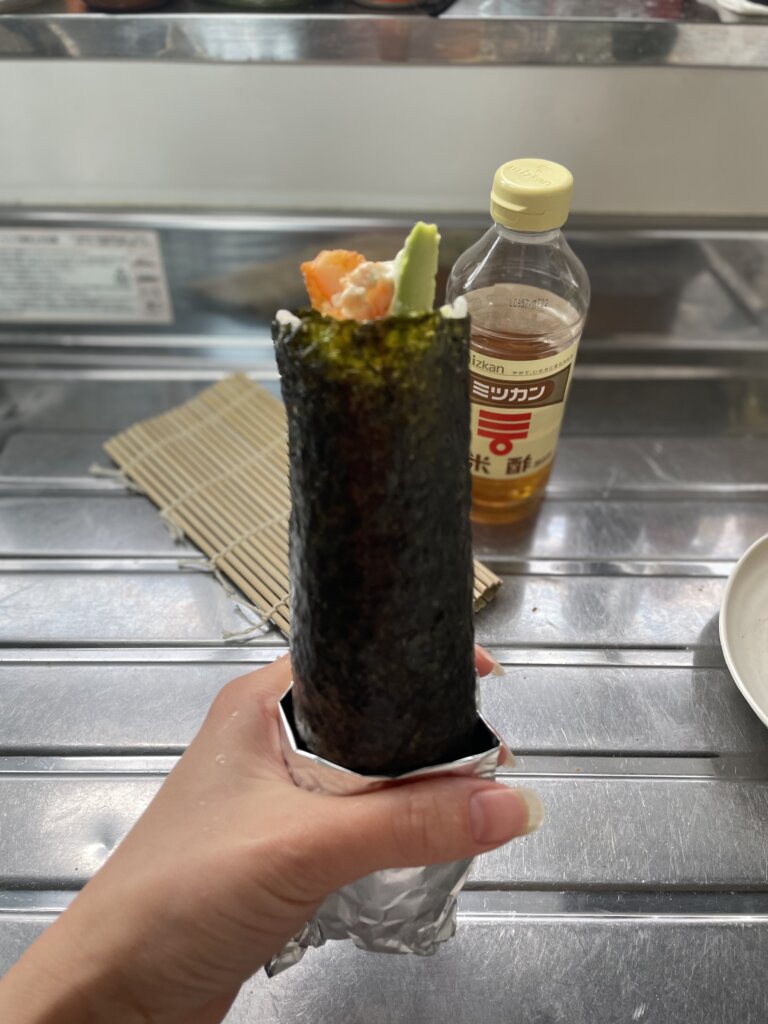
Instead of copying a traditional filling, I wanted to make a roll that feels fresh, crispy, and creamy at the same time.
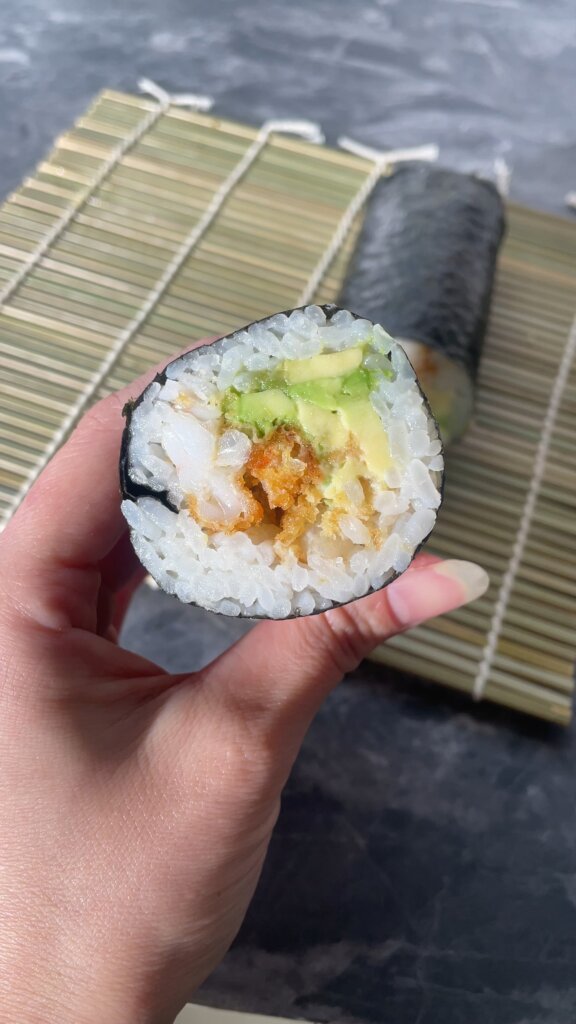
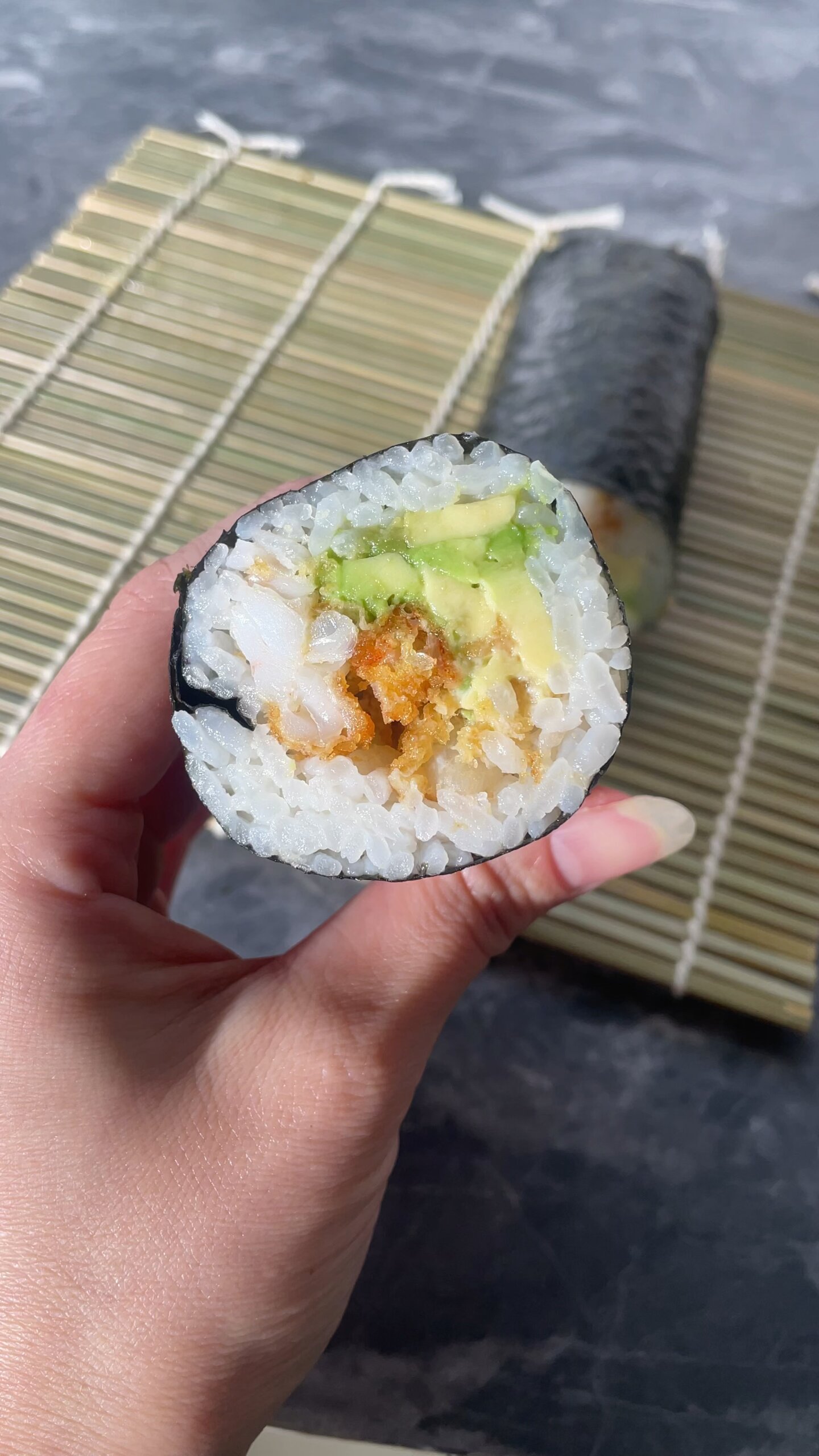
That’s how this shrimp and avocado roll came together: crunchy panko shrimp, buttery avocado, and a quick wasabi mayo for a little kick.
It’s a simple homemade twist on the Ehomaki tradition — fun to make, and even better to eat.
Ingredients (Makes 2 Rolls)
Nori sheets: 2
Cooked sushi rice: 2 cups
Rice vinegar: 2 Tbsp
Sugar: 1 Tbsp
Salt: 1 tsp
Shrimp (peeled & deveined): 10
Salt: 1/4 tsp
Black pepper: 1/4 tsp
All-purpose flour: 2 Tbsp
Egg: 1, beaten
Panko breadcrumbs: 1/2 cup
Neutral oil (for frying): 1 cup
Mayonnaise: 4 Tbsp
Wasabi paste: 1 tsp
Lemon juice: 2 tsp
Avocado: 1/2, thinly sliced
How to Make the Roll (Ehomaki Style)
- Mix rice vinegar, sugar, and salt, then gently fold it into the cooked rice. Let it cool slightly.

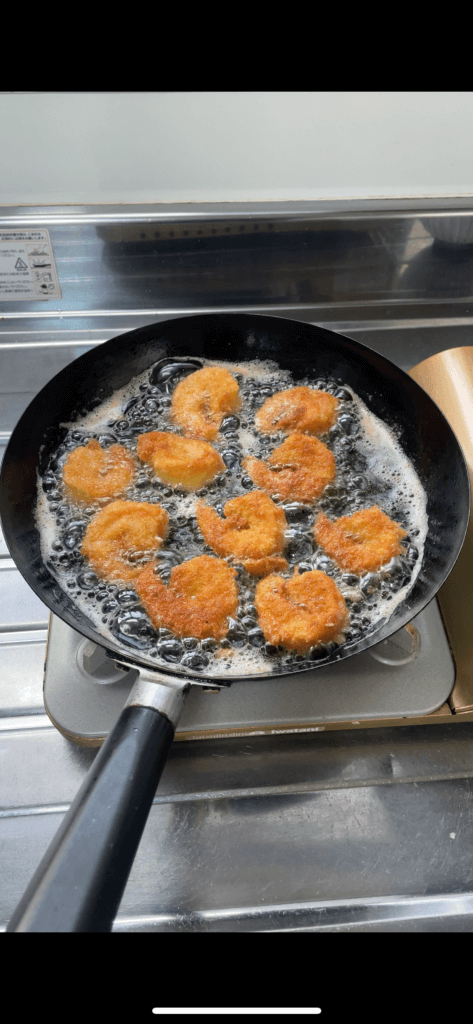
- Season shrimp with salt and pepper, coat with flour, dip in beaten egg, then press into panko.

- Fry shrimp until golden, let cool, and chop into small pieces.
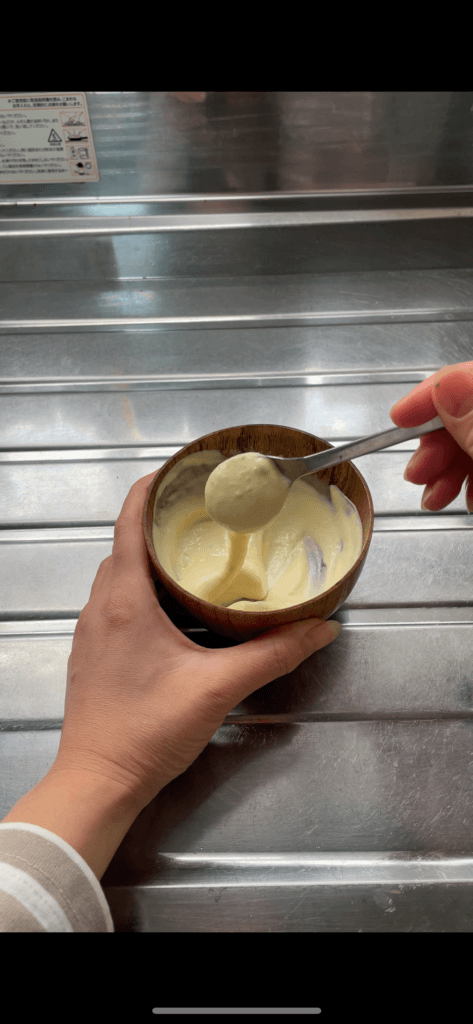
- Mix mayonnaise, wasabi, and lemon juice to make the wasabi mayo.
- Place nori rough-side up on a sushi mat. Spread half the rice evenly, leaving 1/4 inch at the bottom and 1 inch at the top.

- Add avocado slices, a drizzle of wasabi mayo, and chopped shrimp across the center. Hold the filling in place as you start rolling.

- Roll tightly, pressing firmly to shape. Place seam-side down to seal. Repeat for the second roll.

- If slicing, use a sharp knife and wet the blade each time before cutting.
How to Enjoy It Like Ehomaki
Traditionally, Ehomaki is eaten whole, without slicing.
So if you want the full Setsubun experience, take your roll, face the lucky direction of the year, and enjoy it in silence.
Even with a modern filling, it’s still a fun way to celebrate the season at home.
More Konbini-Inspired Recipes Coming Soon
This recipe is part of my Japanese Convenience Store Food Series, where I share seasonal foods and everyday favorites inspired by what you’ll find in Japan — along with easy homemade variations you can recreate anywhere.
If you enjoyed this Ehomaki-inspired roll, stay tuned for more simple Japanese comfort food ideas.
Ingredients
Method
- Mix rice vinegar, sugar, and salt, then gently fold it into the cooked rice. Let it cool slightly.
- Season shrimp with salt and pepper, coat with flour, dip in beaten egg, then press into panko.
- Fry shrimp until golden, let cool, and chop into small pieces.
- Mix mayonnaise, wasabi, and lemon juice to make the wasabi mayo.
- Place nori rough-side up on a sushi mat. Spread half the rice evenly, leaving 1/4 inch at the bottom and 1 inch at the top.
- Add avocado slices, a drizzle of wasabi mayo, and chopped shrimp across the center. Hold the filling in place as you start rolling.
- Roll tightly, pressing firmly to shape. Place seam-side down to seal. Repeat for the second roll.
- If slicing, use a sharp knife and wet the blade each time before cutting.

Leave a Reply